

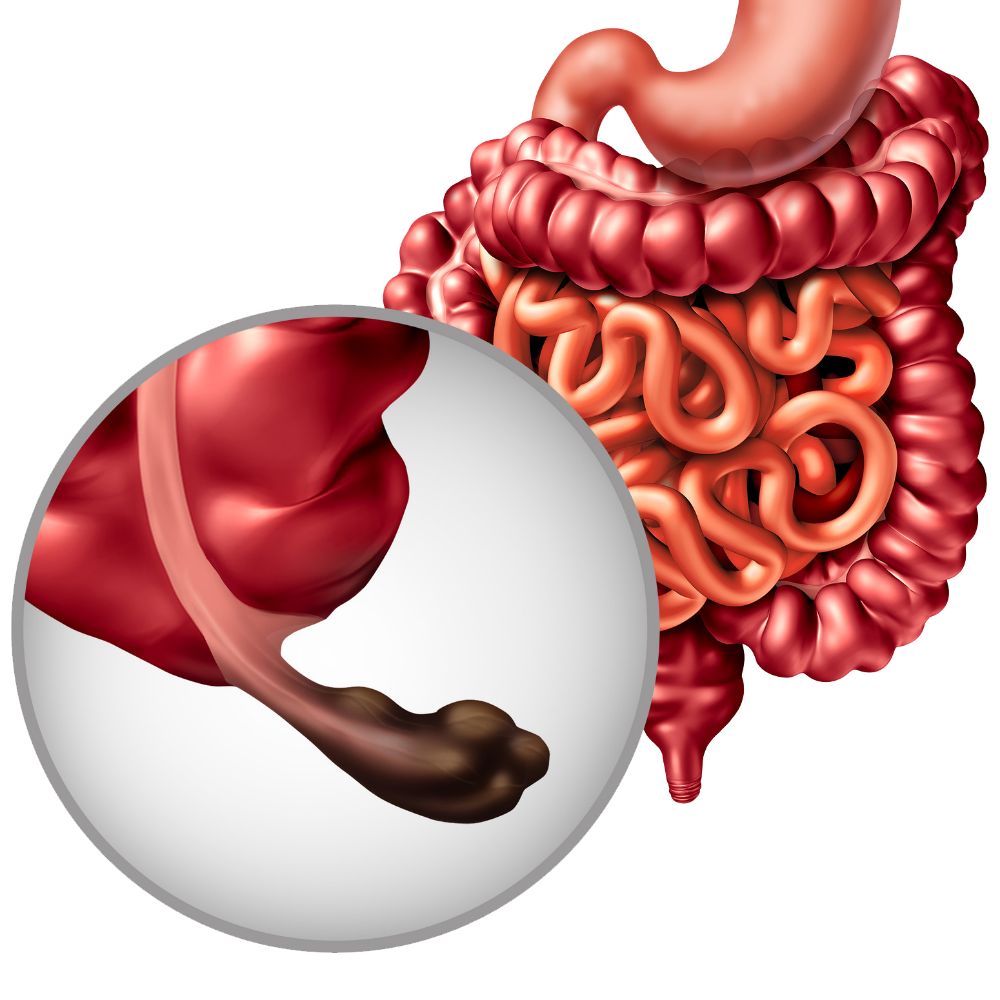

Appendix Cancer
Appendix cancer is a rare type of cancer that develops in the appendix, a small tube-like organ attached to the large intestine. Although it is uncommon, appendix cancer can be serious if not diagnosed and treated early. In many cases, it is discovered accidentally during surgery for appendicitis or other abdominal conditions.
Due to its rare nature and lack of early symptoms, awareness and proper medical evaluation are essential for timely diagnosis and effective treatment.
What is Appendix Cancer?
Appendix cancer occurs when abnormal cells grow uncontrollably in the appendix and form a tumor. These cancer cells may spread to nearby organs such as the abdomen lining (peritoneum) and other digestive organs if left untreated.
Some types of appendix cancer produce mucus, which can accumulate in the abdomen—a condition known as pseudomyxoma peritonei (PMP).
Types of Appendix Cancer
Carcinoid Tumors (Neuroendocrine Tumors)
Most common and usually slow-growing
Mucinous Adenocarcinoma
Produces mucus and may spread in the abdomen
Colonic-type Adenocarcinoma
Similar to colon cancer
Goblet Cell Carcinoma
Rare and more aggressive form
Symptoms of Appendix Cancer
Appendix cancer often shows no symptoms in early stages. As the disease progresses, symptoms may include:
- Persistent abdominal pain (especially lower right side)
- Bloating or increase in abdominal size
- Changes in bowel habits
- Nausea and vomiting
- Loss of appetite
- Unexplained weight loss
- Feeling of fullness
- In some cases, symptoms similar to appendicitis
Causes and Risk Factors
The exact cause of appendix cancer is not always clear, but certain factors may increase risk:
Age above 40–50 years
Family history of gastrointestinal cancers
Genetic conditions
Chronic inflammation of the digestive tract
Smoking and unhealthy lifestyle
Diagnosis of Appendix Cancer
Since symptoms are often unclear, diagnosis usually involves multiple tests:
CT Scan / MRI
To detect tumors and assess spread
Ultrasound
Initial imaging test
Blood Tests
To evaluate overall health
Biopsy
Confirms cancer type
Colonoscopy
To examine the colon and nearby areas
Advanced Treatment Options
Treatment depends on the type, stage, and spread of the cancer:

Surgery
Removal of the appendix (appendectomy)

Cytoreductive Surgery with HIPEC
Advanced procedure to remove visible tumors

Chemotherapy
Helps kill cancer cells and prevent spread

Targeted Therapy
Focuses on specific cancer cell pathways

Palliative Care
Helps manage symptoms and improve quality of life
Prevention Tips
Since appendix cancer is rare, specific prevention methods are limited, but general healthy practices can help:
Maintain a healthy diet rich in fiber
Stay physically active
Avoid smoking and alcohol
Regular health check-ups
Monitor any unusual abdominal symptoms
Why Choose Our Appendix Cancer Treatment in Delhi
Expert gastrointestinal and oncology specialists
Advanced surgical procedures including HIPEC
State-of-the-art diagnostic facilities
Personalized treatment approach
Comprehensive cancer care
Affordable and patient-focused services
