

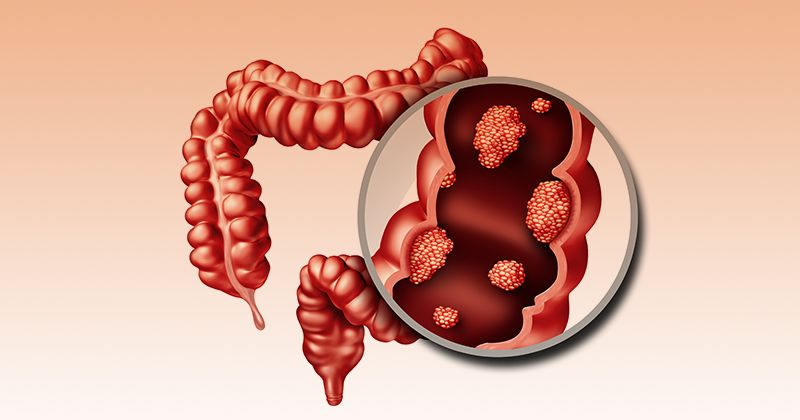
Colorectal Cancer in Young Patients in India: An Emerging Concern
Rising Burden in India
Colorectal cancer (CRC), traditionally considered a disease of older individuals, is increasingly
being diagnosed in younger patients in India. According to GLOBOCAN 2022, colorectal cancer is
among the top 5 cancers in India, with approximately 64,000 new cases and over 38,000 deaths
annually. Data from the National Cancer Registry Programme (ICMR) also demonstrates a rising
trend, particularly in urban populations. Several Indian studies have reported that 20–40% of
colorectal cancers occur in patients below 40 years. Changing lifestyle patterns including processed
diets, obesity, sedentary habits, and altered gut microbiota are considered contributing factors.
Symptoms: Often Ignored in Young Patients
A major concern in younger individuals is delayed diagnosis due to low clinical suspicion. Common
symptoms include rectal bleeding, change in bowel habits, unexplained weight loss, persistent
abdominal pain, and fatigue due to anemia. These symptoms are often misattributed to benign
conditions such as hemorrhoids, leading to advanced-stage presentation.
Diagnosis
Early diagnosis plays a critical role in improving outcomes. Evaluation includes colonoscopy with
biopsy (gold standard), CT scan or MRI for staging, and blood investigations including tumor
markers (CEA). High-risk individuals, especially those with a family history, may require earlier
screening.
Treatment: Multimodality Approach
Management of colorectal cancer requires a multidisciplinary approach integrating surgery,
chemotherapy, and radiotherapy depending on the stage and location of the tumor. Surgery
remains the cornerstone of curative treatment. Minimally invasive techniques such as laparoscopic
and robotic surgery are increasingly used, offering reduced pain, faster recovery, and shorter
hospital stay. Enhanced Recovery After Surgery (ERAS) protocols focus on optimized pain control,
early mobilization, and early oral nutrition, leading to reduced complications and quicker recovery.
Outcomes depend on stage at diagnosis, with early-stage cancers having excellent survival rates.
Hereditary Colorectal Cancer
A subset of young patients may have hereditary cancer syndromes including Lynch syndrome
(HNPCC) and familial adenomatous polyposis (FAP). Individuals with a strong family history should
undergo genetic counseling and early surveillance.
Importance of Early Diagnosis
India lacks widespread screening programs for colorectal cancer. Awareness of symptoms and
timely medical evaluation are crucial. Early detection allows curative treatment and significantly
improves long-term survival.
Summary
Colorectal cancer in young Indians is an emerging health concern. Recognizing early symptoms,
understanding hereditary risks, and adopting multimodality treatment are essential. Advances such
as minimally invasive surgery and ERAS protocols have improved outcomes, but early diagnosis
remains the key to better survival and quality of life.