

Esophagus (Food Pipe) Cancer
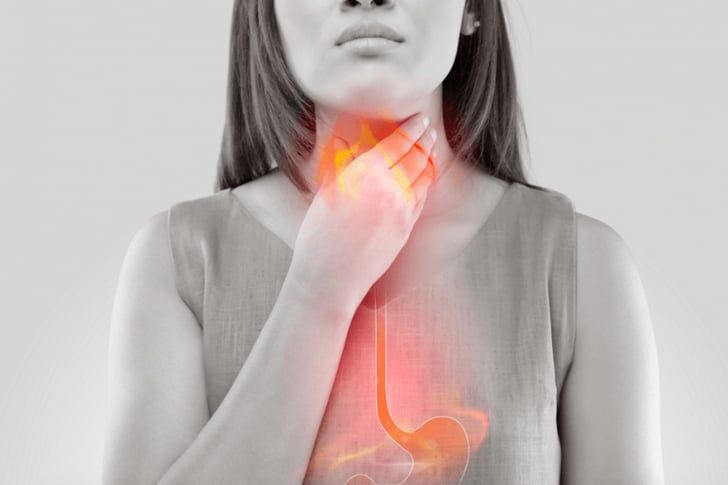
Esophageal cancer, also known as food pipe cancer, is a serious condition that develops in the esophagus—the long muscular tube that carries food from the mouth to the stomach. This type of cancer can interfere with swallowing and digestion, significantly affecting a person’s quality of life.
Esophageal cancer often develops slowly and may not show noticeable symptoms in its early stages. However, early diagnosis and advanced treatment can greatly improve outcomes and survival rates.
What is Esophageal (Food Pipe) Cancer?
Esophageal cancer occurs when abnormal cells grow uncontrollably in the lining of the esophagus, forming a tumor. Over time, these cancer cells can spread to nearby tissues and other parts of the body such as lymph nodes, lungs, or liver.
The two main types of esophageal cancer are:
- Squamous Cell Carcinoma: Occurs in the upper and middle part of the esophagus
- Adenocarcinoma: Develops in the lower part of the esophagus, often linked to acid reflux
Types of Esophageal Cancer
Squamous Cell Carcinoma
Adenocarcinoma
Small Cell Carcinoma (Rare)
Other Rare Tumors
Symptoms of Esophageal Cancer
In early stages, symptoms may be mild or absent. As the cancer progresses, common symptoms include:
- Difficulty in swallowing (dysphagia)
- Feeling of food getting stuck in the throat or chest
- Unexplained weight loss
- Chest pain or discomfort
- Persistent cough or hoarseness
- Indigestion or heartburn
- Vomiting or regurgitation
Causes and Risk Factors
Several factors increase the risk of esophageal cancer:
Chronic acid reflux (GERD)
Barrett’s esophagus
Smoking and tobacco use
Heavy alcohol consumption
Obesity
Poor diet (low in fruits and vegetables)
Age above 50 years
Family history of cancer
Diagnosis of Esophageal Cancer
Early and accurate diagnosis is essential for effective treatment. Doctors may recommend:
Endoscopy
To examine the esophagus and detect abnormalities
Biopsy
Confirms cancer cells
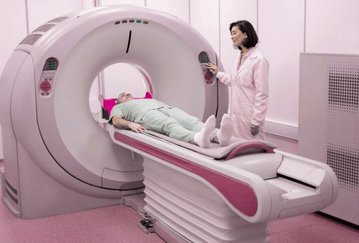
CT Scan / PET Scan
To determine the extent of cancer spread
Barium Swallow X-ray
To identify narrowing or blockage
Endoscopic Ultrasound (EUS)
To assess tumor depth
Advanced Treatment Options
Treatment depends on the stage, location, and patient condition:

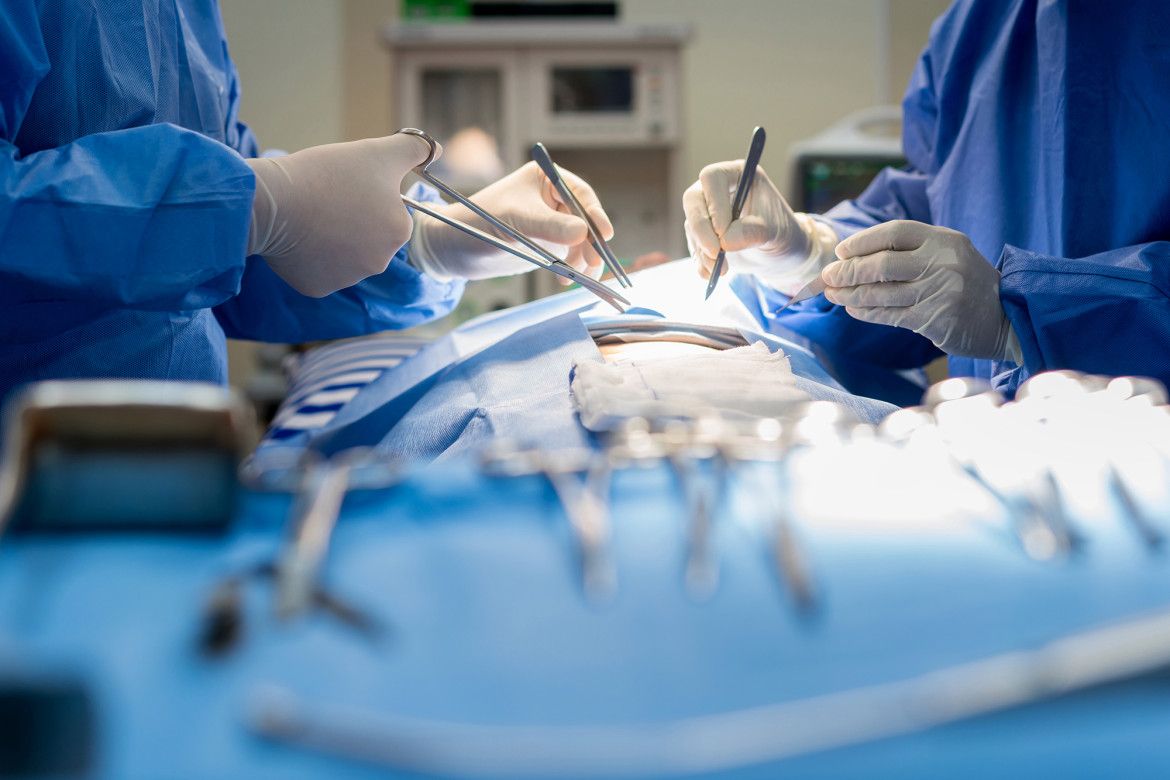
Surgery
Removal of part or all of the esophagus (esophagectomy)
Radiation Therapy
High-energy rays used to destroy cancer cells

Chemotherapy
Uses drugs to kill cancer cells
Targeted Therapy
Focuses on specific cancer cell mechanisms
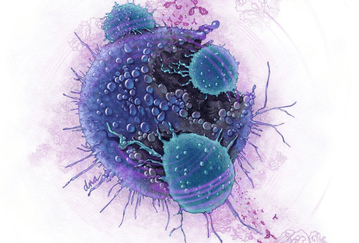
Immunotherapy
Boosts the body’s immune system
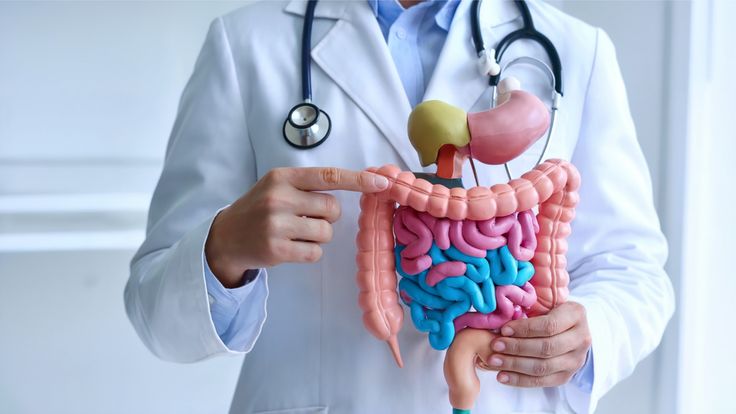
Endoscopic Treatments
For early-stage cancers
Prevention Tips
While not all cases can be prevented, certain lifestyle changes can reduce risk
Quit smoking and avoid tobacco
Limit alcohol consumption
Maintain a healthy weight
Eat a balanced diet rich in fruits and vegetables
Manage acid reflux (GERD) properly
Regular health check-ups
Why Choose Our Esophageal Cancer Treatment in Delhi
Highly experienced gastro and cancer specialists
Advanced endoscopy and surgical facilities
Personalized treatment plans
Minimally invasive techniques
Comprehensive cancer care
Affordable and high-quality treatment
