

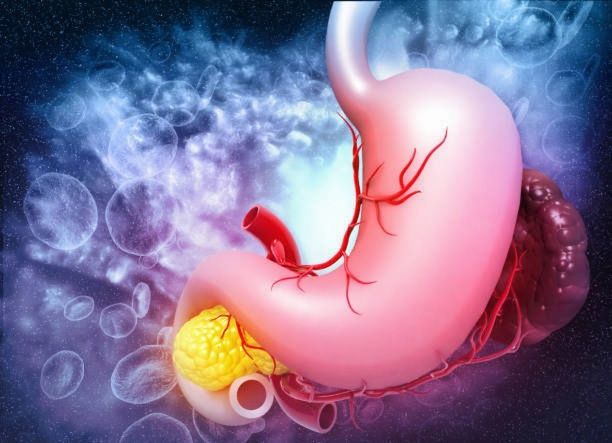
Gastrointestinal Stromal Tumors (GIST)
Gastrointestinal Stromal Tumors (GIST) are rare tumors that develop in the digestive tract, most commonly in the stomach and small intestine. These tumors arise from specialized cells called Interstitial Cells of Cajal (ICC), which help control the movement of the digestive system.
GISTs can vary in behavior—some grow slowly and remain non-aggressive, while others can become cancerous and spread to other parts of the body. Early diagnosis and timely treatment significantly improve outcomes.
What is GIST?
Gastrointestinal Stromal Tumors (GIST) are rare tumors that develop in the digestive tract, most commonly in the stomach or small intestine. These tumors arise from specialized nerve cells known as Interstitial Cells of Cajal, which help regulate digestive movements.
GISTs can range from small, slow-growing tumors to aggressive cancers, depending on their size and location.
Signs & Symptoms of GIST
In early stages, GIST may not show noticeable symptoms. However, as the tumor grows, the following symptoms may appear:
- Abdominal pain or discomfort
- Blood in stool or black, tarry stools
- Nausea and vomiting
- Weakness or fatigue due to internal bleeding
- Unexplained weight loss
- Feeling full after eating small amounts (early satiety)
- Abdominal swelling or palpable lump
Causes & Risk Factors
Mutation in the KIT gene
Mutation in the PDGFRA gene
Age above 50 years
Rare genetic syndromes
Family history (in uncommon cases)
Diagnosis of GIST
Accurate diagnosis is essential for effective treatment. Common diagnostic methods include:
Endoscopy
To examine the digestive tract
CT Scan / MRI
To determine tumor size, location, and spread
Biopsy
To confirm the diagnosis
PET Scan
Used in advanced cases to assess cancer activity
Benefits of Early Detection
Early diagnosis of GIST offers several advantages:
Higher treatment success rate
Less complex surgical procedures
Faster recovery time
Reduced risk of cancer spread
Why Choose Expert GIST Treatment?
Accurate diagnosis and staging
Customized treatment plans
Access to advanced surgical techniques
Improved long-term outcomes