Gall Bladder Stone Treatment in Delhi
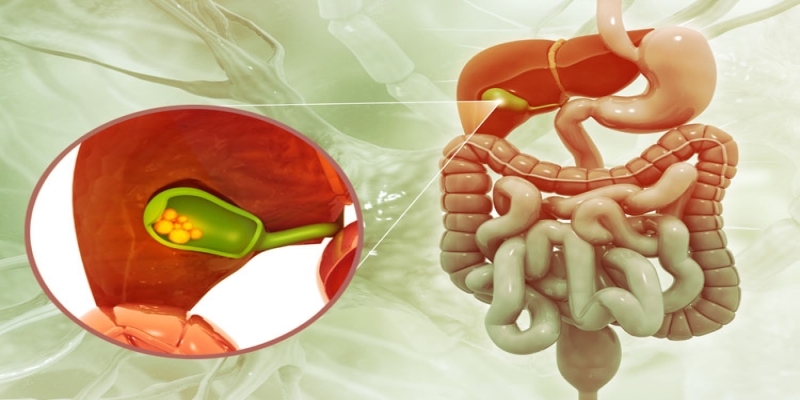
Gall bladder stones, commonly known as gallstones, are solid particles that develop in the gallbladder due to an imbalance in the substances that make up bile. The gallbladder is a small pear-shaped organ located beneath the liver, responsible for storing bile that helps in digesting fats.
When the chemical composition of bile becomes imbalanced—such as excess cholesterol or bilirubin—it can lead to the formation of stones. These stones may remain silent for years or cause sudden and severe pain when they block the bile ducts.
Gallstones can vary in size, ranging from tiny grains to large stones, and one person may have a single stone or multiple stones.
Types of Gall Bladder Stones
Cholesterol Gallstones
Pigment Gallstones
Causes of Gall Bladder Stones
Gallstones develop when there is an imbalance in bile composition. Some of the most common causes include:
Excess cholesterol in bile
High levels of bilirubin
Poor gallbladder emptying
Obesity or overweight
Rapid weight loss or crash dieting
Hormonal changes (especially in women)
Symptoms of Gall Bladder Stones
Many people with gallstones do not experience symptoms (silent gallstones). However, when symptoms occur, they can be severe and include:
- Sudden and intense pain in the upper right abdomen
- Pain after eating fatty or heavy meals
- Nausea and vomiting
- Indigestion, bloating, and gas
- Pain radiating to the back or right shoulder
- Fever and chills (in case of infection)
- Jaundice (yellowing of skin and eyes in severe cases)
Complications of Gallstones
If left untreated, gallstones can lead to serious complications such as:
Inflammation of the gallbladder (Cholecystitis)
Blockage of bile ducts
Pancreatitis (inflammation of the pancreas)
Infection in the biliary tract
Severe abdominal pain and digestive issues