Advanced Surgery for Gallbladder Cancer & HPB Oncology
Specialised treatment for early and locally advanced gallbladder cancer — from radical cholecystectomy and extended liver resection to multidisciplinary oncology care, delivered by Dr. Abhishek Aggarwal.
Book a Consultation
Understanding Gallbladder Cancer
Gallbladder cancer is one of the most aggressive cancers of the biliary system, and India has one of the highest incidences in the world — particularly in the Gangetic belt. It originates in the epithelial lining of the gallbladder, a small pear-shaped organ beneath the liver that stores and concentrates bile. Because the gallbladder lies in direct contact with the liver, even early tumours can invade the liver bed, which is why specialised HPB surgical expertise is essential.
Gallbladder cancer is often discovered incidentally after routine cholecystectomy for gallstones, or it may present late with advanced symptoms. Early detection and timely referral to a dedicated HPB centre dramatically improve outcomes.

Stages of Gallbladder Cancer
Stage I
Tumour confined to the inner layers of the gallbladder wall. Often curable with simple or radical cholecystectomy.
Stage II
Tumour invades through the muscular layer into the connective tissue. Radical cholecystectomy with liver bed resection and lymph node clearance is standard.
Stage III
Spread beyond the gallbladder into the liver, nearby organs or regional lymph nodes. Extended resection and adjuvant therapy are considered.
Stage IV
Distant metastasis or extensive local invasion. Treatment focuses on systemic therapy and symptom control.
Symptoms
Early gallbladder cancer often produces no symptoms, which is why it is frequently detected incidentally. As disease progresses, patients may develop right upper abdominal pain (often mistaken for simple gallstones), jaundice, unexplained weight loss, loss of appetite, nausea and vomiting, a lump in the abdomen, bloating, itching, and dark urine with pale stools. Any patient with thickened gallbladder walls, polyps larger than 10 mm or porcelain gallbladder should be evaluated carefully for underlying malignancy.
Risk Factors
Risk factors include long-standing gallstones (particularly large stones over 3 cm), chronic cholecystitis, gallbladder polyps greater than 10 mm, porcelain gallbladder (calcified wall), anomalous pancreaticobiliary ductal junction, obesity, female sex, advancing age, family history, chronic typhoid carrier state, and geographic factors — with significantly higher incidence in northern India, particularly along the Ganges.
Diagnosis & Staging
Evaluation includes high-resolution abdominal ultrasound, contrast-enhanced CT scan, MRI with MRCP to assess biliary involvement, and endoscopic ultrasound for locoregional staging. PET-CT is useful to rule out distant spread. Tumour markers CA 19-9 and CEA support diagnosis and monitoring. Diagnostic laparoscopy is often recommended before major surgery to rule out peritoneal disease, which is common in gallbladder cancer.
Treatment Options
Simple Cholecystectomy
For very early (T1a) cancers confined to the mucosa and diagnosed incidentally, cholecystectomy alone may be curative when margins are negative.
Radical Cholecystectomy
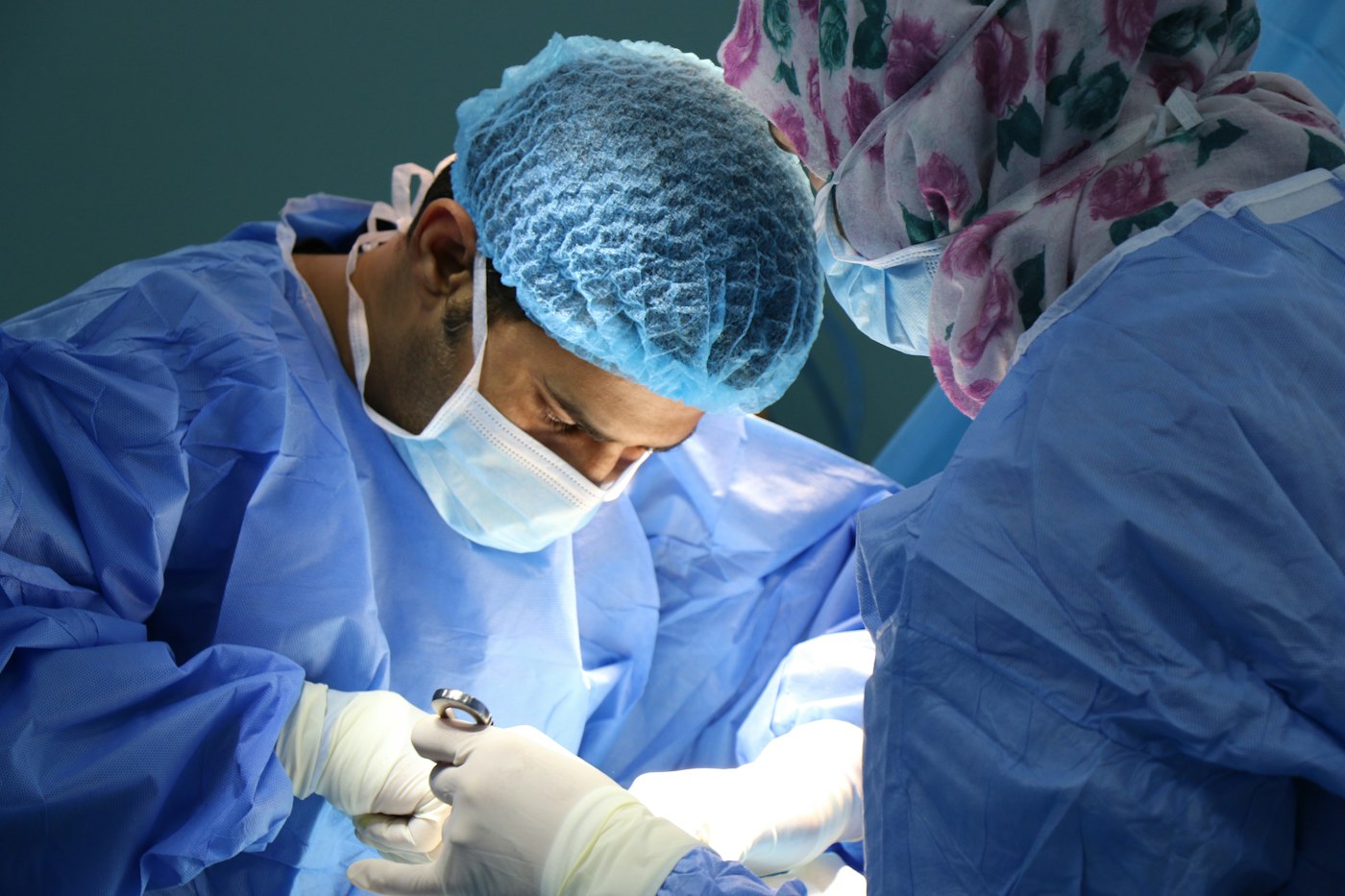
The standard operation for T1b and beyond. Involves removal of the gallbladder, a segment of the adjacent liver (liver bed resection) and regional lymph node dissection.
Extended Liver Resection
For locally advanced disease invading adjacent liver segments or the biliary tree, extended hepatectomy with biliary reconstruction may be required.
Completion Surgery
Patients with incidentally diagnosed gallbladder cancer after cholecystectomy often benefit from a second, more radical operation to complete oncological clearance.
Chemotherapy
Adjuvant capecitabine after surgery and gemcitabine-cisplatin with immunotherapy for advanced disease are current standards of care.
Palliative Care
In advanced cases, biliary stenting, pain control, nutritional support and systemic therapy significantly improve quality of life.
Recovery & Follow-up
Recovery after radical cholecystectomy depends on the extent of liver resection and lymphadenectomy. Hospital stay is usually 5–8 days, with most patients returning to normal activities within 4–6 weeks. Enhanced recovery protocols allow quicker mobilisation and reduced complications. Long-term follow-up includes clinical review, imaging and CA 19-9 every 3–6 months initially, then annually.
Why Choose Dr. Abhishek Aggarwal
Dr. Abhishek Aggarwal has dedicated expertise in gallbladder cancer surgery, including radical and extended resections, and he is highly experienced in managing the incidentally detected cases that are so common in India. His patient-centred, evidence-based approach ensures every patient receives the best possible oncological and surgical care.
Frequently Asked Questions
Is gallbladder cancer curable?
Yes, particularly when detected early. Complete surgical removal with clear margins offers the best chance of cure. Even locally advanced cases can be treated with extended surgery and multimodal therapy.
Can gallstones cause gallbladder cancer?
Long-standing gallstones, especially large ones, are a known risk factor. Most people with gallstones do not develop cancer, but chronic inflammation over many years increases risk.
What is incidental gallbladder cancer?
It refers to gallbladder cancer discovered on histology after a routine cholecystectomy performed for benign disease. These patients must be referred urgently to an HPB centre for assessment.
Is laparoscopic surgery safe for gallbladder cancer?
Laparoscopic radical cholecystectomy is increasingly performed in experienced centres with outcomes comparable to open surgery. Case selection is critical to avoid tumour spillage.
What is liver bed resection?
It is the removal of a thin segment of liver tissue adjacent to the gallbladder fossa along with the gallbladder, ensuring clear oncological margins.
Do all gallbladder polyps need surgery?
Polyps larger than 10 mm, those growing over time, or those with suspicious features on imaging should be removed. Small stable polyps can be monitored with ultrasound.
What is the role of chemotherapy?
Adjuvant capecitabine improves survival after curative surgery. Gemcitabine-cisplatin with immunotherapy is the current first-line regimen for advanced disease.
How long is hospital stay?
Typically 5–8 days after radical cholecystectomy, longer if extended liver resection or biliary reconstruction is required.
What diet should I follow?
A balanced, low-fat diet with adequate protein supports recovery. Patients should avoid very fatty meals for the first few weeks and follow their nutritionist’s advice.
How often is follow-up needed?
Every 3–6 months for the first two years with imaging and CA 19-9, then annually. Prompt follow-up for new symptoms is essential.

Meet Dr. Abhishek Aggarwal
Dr. Abhishek Aggarwal is a highly skilled GI & HPB surgeon with over 10 years of experience in managing complex gastrointestinal and hepato-pancreato-biliary diseases, with a special focus on oncological surgery. He currently serves as Associate Director – GI Oncosurgery at BLK-Max Super Speciality Hospital, where he is actively involved in delivering advanced surgical care for GI and HPB malignancies.
He has trained and worked in reputed high-volume centres, gaining extensive expertise in complex oncological procedures and multidisciplinary cancer care. His clinical practice is firmly grounded in scientific, evidence-based medicine, ensuring that patients receive treatment aligned with the latest global standards and research.
OPD Timing: 09:00 AM – 05:00 PM
Contact Dr. Abhishek →