Pancreatic Cancer
Complex pancreatic surgery at India’s leading HPB centre — Whipple, distal pancreatectomy, and total pancreatectomy by a specialist.
Understanding Pancreatic Cancer
Pancreatic cancer is one of the most challenging cancers to treat, but outcomes at high-volume specialist centres are dramatically better than at general hospitals. Dr. Abhishek Aggarwal is among India’s most experienced pancreatic cancer surgeons, with hundreds of Whipple procedures and other complex HPB resections.
Types of Pancreatic Cancer
- Pancreatic ductal adenocarcinoma (most common, 90%)
- Neuroendocrine tumours (pNETs)
- Cystic neoplasms (IPMN, MCN)
- Acinar cell carcinoma
Symptoms
- Painless jaundice (yellow eyes/skin)
- Unexplained weight loss
- New-onset diabetes after age 50
- Upper abdominal pain radiating to back
- Pale stools and dark urine
- Itching
Frequently Asked Questions
Answers to the most common questions about Pancreatic Cancer.
What is the Whipple procedure?
The Whipple procedure (pancreaticoduodenectomy) removes the head of the pancreas, duodenum, gallbladder, bile duct, and nearby lymph nodes, then reconstructs the digestive tract. It is the standard curative operation for cancers of the pancreatic head and periampullary region.
How risky is pancreatic cancer surgery?
At high-volume specialist centres like ours, mortality after Whipple is under 3% — compared to 10–15% at low-volume hospitals. Volume and surgeon experience are the single biggest determinants of safety.
Am I a candidate for surgery?
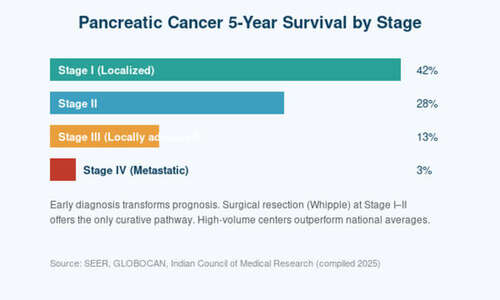
Roughly 20% of pancreatic cancer patients are candidates for curative surgery at diagnosis. Another 30% become candidates after neoadjuvant chemotherapy. A specialist review of your imaging is essential to decide.
What is borderline resectable pancreatic cancer?
This is cancer that touches major blood vessels but may become removable after chemotherapy. Patients typically receive 4–6 months of chemotherapy (FOLFIRINOX or gemcitabine–nab-paclitaxel) before re-staging and surgery.
Do I need chemotherapy after surgery?
Yes — adjuvant chemotherapy (typically mFOLFIRINOX for fit patients) is standard after successful pancreatic cancer surgery and significantly improves long-term survival.
How long is recovery after a Whipple?
Hospital stay is usually 10–12 days. Most patients return to light activities within 4–6 weeks and full recovery by 3 months. Diabetes and enzyme supplements may be needed depending on how much pancreas is removed.
Can pancreatic cancer be cured?
Yes — early-stage pancreatic cancer can be cured with surgery plus chemotherapy. 5-year survival after successful resection and modern adjuvant therapy now exceeds 30–40% in specialist series.
Is robotic Whipple available in India?
Yes, Dr. Abhishek performs robotic Whipple procedures in carefully selected patients. Robotic surgery offers less blood loss and faster recovery, but oncological outcomes must match open surgery — which requires a very experienced team.
What about pancreatic cysts — are they cancer?
Most pancreatic cysts are benign, but some (IPMN, MCN) have malignant potential and need surgical removal. All pancreatic cysts should be evaluated by an HPB specialist with dedicated imaging (MRCP, EUS).
How do I get a second opinion?
Send your CT/MRI scans, biopsy and blood reports via our contact form. Dr. Abhishek personally reviews every case and provides a detailed written opinion within 48 hours — no charge.
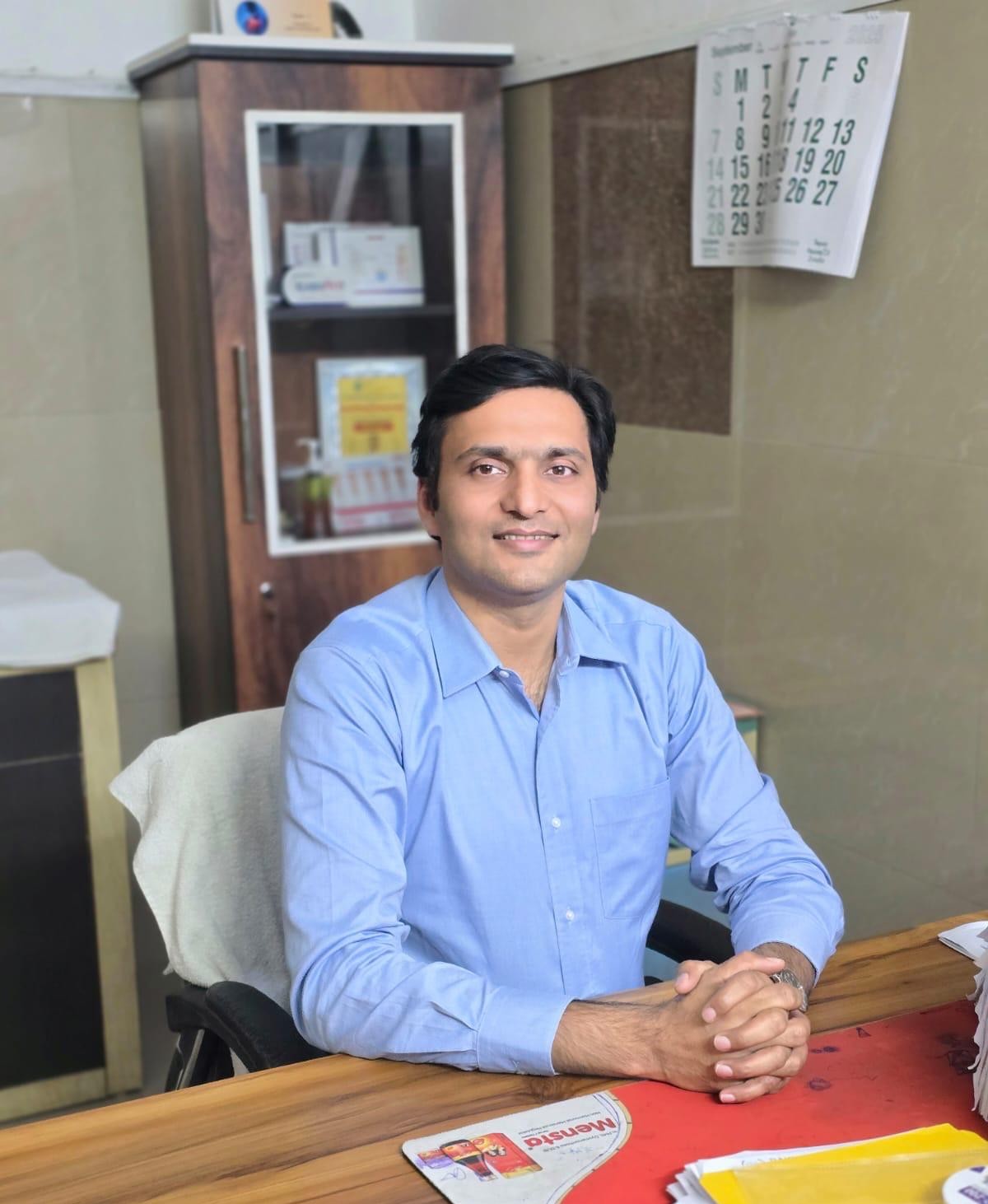
Meet Dr. Abhishek Aggarwal
Dr. Abhishek Aggarwal is a highly skilled GI & HPB surgeon with over 10 years of experience in managing complex gastrointestinal and hepato-pancreato-biliary diseases, with a special focus on oncological surgery. He currently serves as Associate Director – GI Oncosurgery at BLK-Max Super Speciality Hospital, where he is actively involved in delivering advanced surgical care for GI and HPB malignancies.
He has trained and worked in reputed high-volume centres, gaining extensive expertise in complex oncological procedures and multidisciplinary cancer care. His clinical practice is firmly grounded in scientific, evidence-based medicine, ensuring that patients receive treatment aligned with the latest global standards and research.
OPD Timing: 09:00 AM – 05:00 PM
Contact Dr. Abhishek →