Expert Surgery for Bile Duct Cancer & Hilar Cholangiocarcinoma
Specialised HPB oncology care for intrahepatic, hilar (Klatskin) and distal cholangiocarcinoma — including complex liver resections, Whipple procedure and multidisciplinary treatment by Dr. Abhishek Aggarwal.
Book a Consultation
Understanding Bile Duct Cancer
Bile duct cancer, also known as cholangiocarcinoma, is a rare but aggressive malignancy arising from the epithelial cells lining the bile ducts — the tubes that carry bile from the liver and gallbladder into the small intestine. Because the biliary tree runs deep within and around the liver, cholangiocarcinoma is technically one of the most demanding cancers to treat, and patients benefit significantly from being managed in dedicated HPB (hepato-pancreato-biliary) centres.
Cholangiocarcinoma is classified by its location within the biliary tree, and each type behaves differently and demands a specific surgical approach. Early diagnosis and careful staging are essential because complete surgical removal (R0 resection) remains the only potentially curative treatment.

Types of Cholangiocarcinoma
Intrahepatic
Arises within the liver from small bile ducts. Treated with liver resection; behaves similarly to other primary liver tumours.
Perihilar (Klatskin)
The most common type, arising at the junction where the right and left hepatic ducts meet. Requires major liver resection with biliary reconstruction.
Distal
Arises in the common bile duct near the pancreas. Treated with pancreaticoduodenectomy (Whipple procedure).
Multifocal
Rare presentation with involvement of multiple regions of the biliary tree, requiring complex multidisciplinary planning.
Symptoms
The hallmark presentation of bile duct cancer is painless obstructive jaundice — yellowing of the skin and eyes, dark urine, pale stools and intense itching caused by obstruction of bile flow. Other symptoms include unintentional weight loss, loss of appetite, abdominal discomfort in the right upper quadrant, low-grade fever, fatigue and, occasionally, cholangitis (infection of the biliary tree with fever and chills). Intrahepatic cholangiocarcinoma may present more insidiously with vague abdominal pain, weight loss and abnormal liver function tests, as jaundice is less common.
Risk Factors
Important risk factors include primary sclerosing cholangitis (PSC), chronic hepatitis B and C, cirrhosis, hepatolithiasis (stones inside the bile ducts), choledochal cysts and biliary malformations, liver fluke infections (Opisthorchis, Clonorchis), inflammatory bowel disease (particularly ulcerative colitis linked to PSC), diabetes and obesity, smoking, and exposure to certain chemicals such as thorotrast. Most cases, however, occur without an identifiable risk factor.
Diagnosis & Staging
Diagnosis combines advanced imaging, blood tests and targeted sampling. MRI with MRCP (magnetic resonance cholangiopancreatography) is the gold standard for evaluating the biliary tree and defining the extent of tumour. Contrast-enhanced CT assesses vascular involvement, liver anatomy and distant spread. Endoscopic ultrasound (EUS) allows tissue sampling, and ERCP can both diagnose and palliate obstruction through stenting. Tumour markers CA 19-9 and CEA are helpful. Staging laparoscopy may be performed before major surgery to rule out peritoneal disease.
Treatment Options
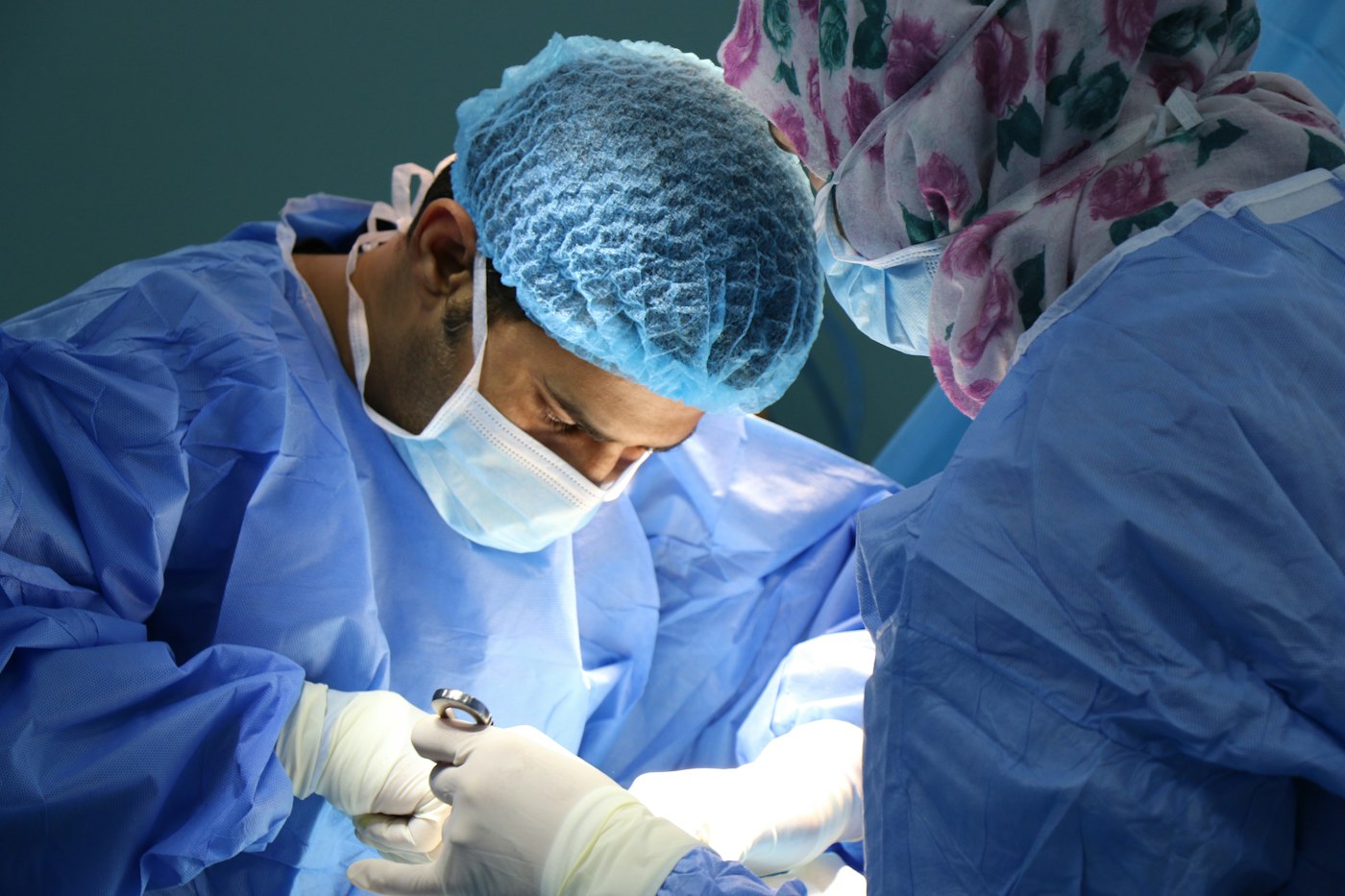
Treatment depends on tumour location, extent, liver function and patient fitness, and is always planned through a multidisciplinary tumour board.
Liver Resection with Biliary Reconstruction
For hilar and intrahepatic cholangiocarcinoma, major hepatectomy with hepaticojejunostomy is performed to achieve clear margins. Portal vein embolization may be used pre-operatively.
Whipple Procedure
For distal bile duct cancers, pancreaticoduodenectomy removes the bile duct, duodenum, part of the pancreas and nearby lymph nodes, followed by reconstruction.
Laparoscopic & Robotic HPB Surgery
Minimally invasive approaches are being adopted in carefully selected patients to reduce recovery time while maintaining oncological outcomes.
Biliary Drainage & Stenting
ERCP or PTBD is used to relieve jaundice before surgery or as palliation in advanced disease, improving liver function and patient comfort.
Chemotherapy
Adjuvant capecitabine improves survival after surgery. Gemcitabine-cisplatin with durvalumab is standard first-line for advanced disease.
Targeted Therapy & Immunotherapy
Molecular testing for IDH1, FGFR2 and BRAF mutations now enables targeted therapies that have significantly improved outcomes in selected patients.
Recovery & Follow-up
Recovery depends on the type of surgery. After major hepatectomy with biliary reconstruction, hospital stay is typically 7–10 days with careful monitoring of liver function and biliary leak. Whipple recovery is similar. Long-term follow-up includes imaging, liver and pancreatic function tests and CA 19-9 every 3–6 months for the first two years, then annually. Adjuvant chemotherapy is usually initiated within 8–12 weeks of surgery.
Why Choose Dr. Abhishek Aggarwal
Dr. Abhishek Aggarwal offers dedicated expertise in HPB oncology, including major liver resections, Whipple procedures, and complex biliary reconstructions for cholangiocarcinoma. His practice combines technical precision with compassionate, evidence-based, multidisciplinary care.
Frequently Asked Questions
Is bile duct cancer curable?
Yes, when diagnosed early and completely removed surgically. Cure rates depend heavily on tumour location, margin status and nodal involvement — which is why expert HPB care is critical.
Why does jaundice occur?
The tumour blocks the flow of bile from the liver into the intestine, causing bilirubin to build up in the blood and tissues, resulting in yellowing of the skin and eyes, dark urine and pale stools.
Is stenting always needed before surgery?
Not always. Stenting is reserved for patients with severe jaundice, cholangitis or planned delayed surgery. In operable patients without infection, surgery may be performed without pre-operative drainage.
What is a Klatskin tumour?
A Klatskin tumour is a perihilar cholangiocarcinoma arising at the junction of the right and left hepatic ducts. It often requires major liver resection with biliary reconstruction.
What is the role of chemotherapy?
Adjuvant chemotherapy with capecitabine improves survival after curative surgery. For advanced disease, gemcitabine-cisplatin with durvalumab is the current standard first-line regimen.
Can liver transplant be used?
In selected cases of early hilar cholangiocarcinoma, liver transplantation with neoadjuvant chemoradiation can be curative. This is offered only in experienced transplant centres under strict protocols.
Are there targeted therapies?
Yes. Tumours with IDH1, FGFR2 or BRAF mutations can be treated with specific targeted agents. Molecular profiling is now standard for advanced cholangiocarcinoma.
How long is recovery after Whipple?
Hospital stay is typically 7–10 days, with full recovery in 2–3 months. Enhanced recovery protocols and experienced teams significantly reduce complications and shorten this timeline.
What lifestyle changes help?
Avoid alcohol, follow a balanced high-protein diet, stop smoking, and attend all follow-up visits. Good nutrition supports healing and helps manage side effects of treatment.
How often is follow-up?
Every 3–6 months for the first two years with imaging, liver/pancreas function tests and CA 19-9, then annually thereafter or as advised.
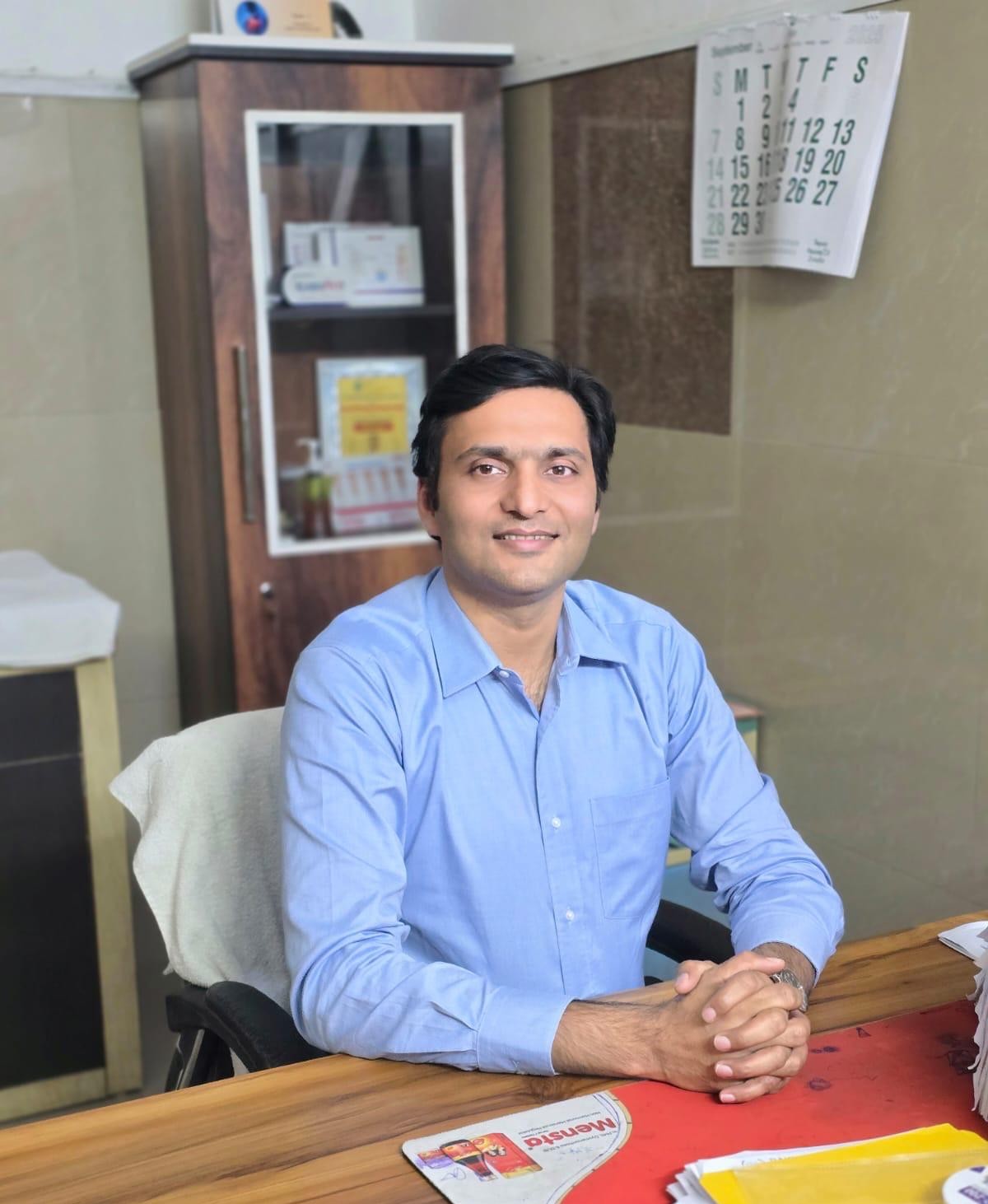
Meet Dr. Abhishek Aggarwal
Dr. Abhishek Aggarwal is a highly skilled GI & HPB surgeon with over 10 years of experience in managing complex gastrointestinal and hepato-pancreato-biliary diseases, with a special focus on oncological surgery. He currently serves as Associate Director – GI Oncosurgery at BLK-Max Super Speciality Hospital, where he is actively involved in delivering advanced surgical care for GI and HPB malignancies.
He has trained and worked in reputed high-volume centres, gaining extensive expertise in complex oncological procedures and multidisciplinary cancer care. His clinical practice is firmly grounded in scientific, evidence-based medicine, ensuring that patients receive treatment aligned with the latest global standards and research.
OPD Timing: 09:00 AM – 05:00 PM
Contact Dr. Abhishek →