Advanced Liver Cancer Surgery & HPB Oncology Care
Comprehensive, evidence-based treatment for hepatocellular carcinoma (HCC), intrahepatic cholangiocarcinoma and liver metastases — including complex liver resections, laparoscopic hepatectomy and multidisciplinary oncology care by Dr. Abhishek Aggarwal.
Book a Consultation
Understanding Liver Cancer
Liver cancer is among the most challenging malignancies in hepato-pancreato-biliary (HPB) oncology. It develops when cells within the liver — most commonly hepatocytes — grow uncontrollably and form a tumour. The most frequent primary liver cancer is hepatocellular carcinoma (HCC), which accounts for nearly 80–85% of all cases worldwide. Other primary liver cancers include intrahepatic cholangiocarcinoma (arising from bile duct cells inside the liver), fibrolamellar HCC, angiosarcoma and hepatoblastoma in children. The liver is also one of the most common sites for metastatic cancer, particularly from colorectal, neuroendocrine, breast and pancreatic primaries.
Because the liver performs over 500 vital functions — from detoxification and protein synthesis to bile production and glucose regulation — surgical treatment requires meticulous planning to preserve healthy liver tissue while achieving complete tumour clearance. Modern liver surgery, guided by advanced imaging, intraoperative ultrasound and enhanced recovery protocols, allows major hepatectomy with low morbidity when performed by experienced HPB surgeons.

Liver Anatomy & Why It Matters
The liver is divided into eight functional segments (Couinaud classification), each with its own inflow (portal vein and hepatic artery) and outflow (hepatic vein). This segmental anatomy allows surgeons to remove diseased portions while preserving uninvolved segments. In patients with cirrhosis or compromised liver function, preserving adequate functional liver remnant (FLR) is critical to prevent post-hepatectomy liver failure. Techniques such as portal vein embolization and ALPPS (Associating Liver Partition and Portal vein ligation for Staged hepatectomy) can be used to grow the remnant before major resection.
Stages of Liver Cancer (BCLC Staging)
Unlike most cancers, HCC is staged using the Barcelona Clinic Liver Cancer (BCLC) system, which combines tumour burden, liver function (Child-Pugh score) and patient performance status to guide treatment.
BCLC 0 / A
Very early and early stage — single tumour or up to 3 nodules ≤3cm, preserved liver function. Curative options: resection, transplant or ablation.
BCLC B
Intermediate stage — multinodular, no vascular invasion. Transarterial chemoembolization (TACE) is standard; selected patients may undergo resection or transplant.
BCLC C
Advanced stage — vascular invasion or extrahepatic spread. Systemic therapy (immunotherapy, targeted agents) with selected local therapies.
BCLC D
Terminal stage — severely decompensated liver. Best supportive care and symptom management.
Symptoms of Liver Cancer
Liver cancer is often silent in its early stages, which is why surveillance in high-risk patients is so important. As the tumour grows, patients may experience upper abdominal pain or fullness (especially in the right upper quadrant), unexplained weight loss, loss of appetite, early satiety, persistent fatigue, nausea, yellowing of skin and eyes (jaundice), itching, dark urine, pale stools, swelling of the abdomen due to ascites, and swelling of the legs. Some patients first present with complications of underlying cirrhosis — variceal bleeding, encephalopathy or sudden decompensation — where imaging then reveals an underlying tumour.
Risk Factors
The majority of HCC cases arise in patients with chronic liver disease. Key risk factors include chronic hepatitis B and hepatitis C infection, alcohol-related cirrhosis, non-alcoholic fatty liver disease (NAFLD) and non-alcoholic steatohepatitis (NASH) — now rapidly rising as a cause of HCC globally — aflatoxin exposure, hereditary haemochromatosis, Wilson’s disease, alpha-1 antitrypsin deficiency, type 2 diabetes and obesity, and smoking. Cholangiocarcinoma has additional risk factors including primary sclerosing cholangitis, choledochal cysts, hepatolithiasis and liver fluke infections.
Diagnosis & Staging
Diagnosis of liver cancer combines imaging, blood tests and, when needed, targeted biopsy. A triphasic contrast CT or multiphase MRI of the liver is the cornerstone investigation — HCC typically shows arterial phase hyperenhancement with washout in the portal venous or delayed phase, a pattern that can confirm the diagnosis without biopsy in many cases. Serum alpha-fetoprotein (AFP) is a useful tumour marker; CA 19-9 and CEA help evaluate cholangiocarcinoma and metastatic disease. PET-CT may be used to assess extrahepatic spread. Liver function is evaluated with Child-Pugh score, MELD score and indocyanine green (ICG) clearance. Volumetric CT is used to calculate the future liver remnant before major resection.
Treatment Options
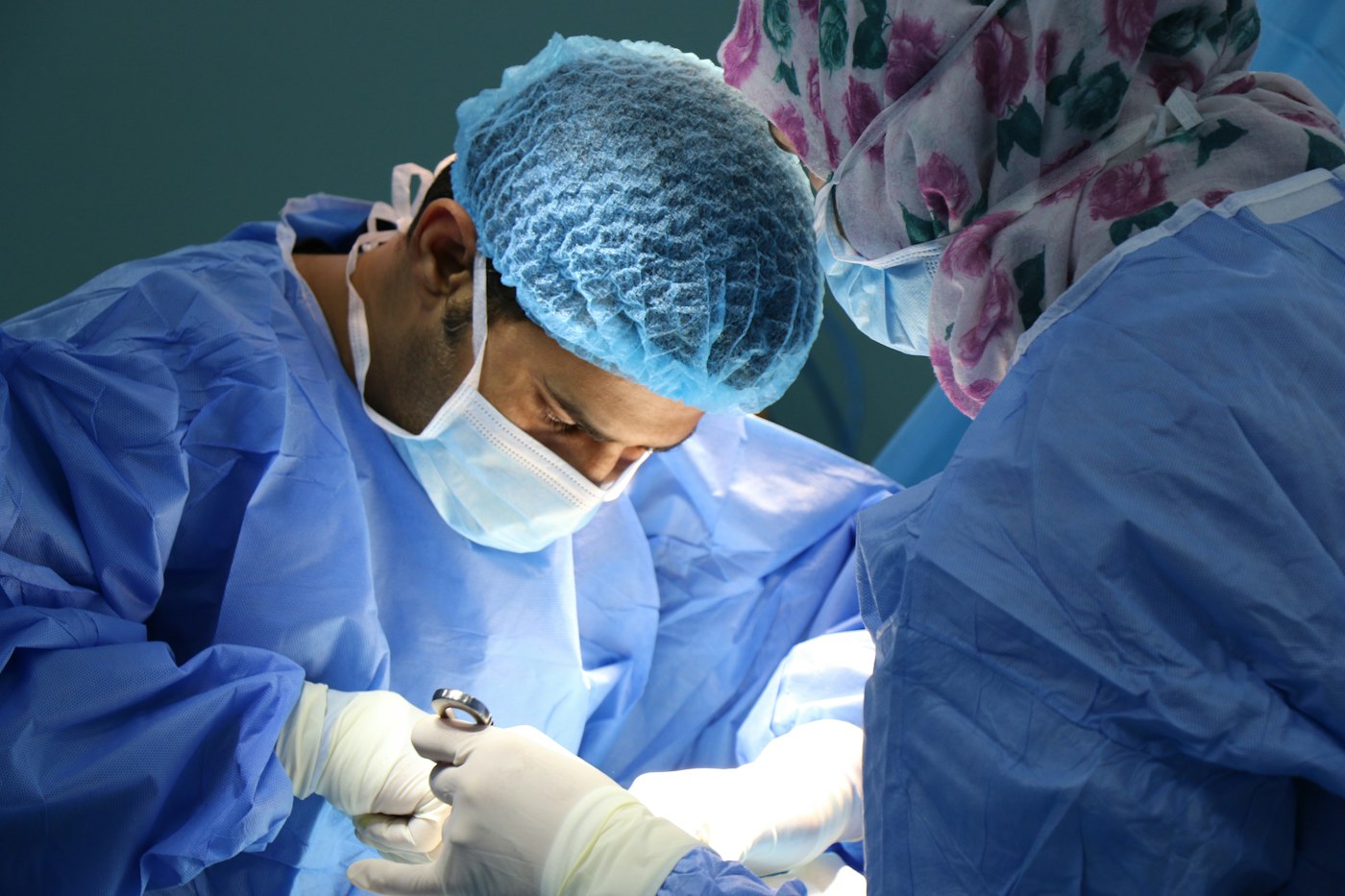
Treatment is tailored to tumour stage, liver function, patient fitness and the extent of underlying liver disease. Decisions are made in a multidisciplinary tumour board including HPB surgeons, hepatologists, medical and radiation oncologists, interventional radiologists and transplant specialists.
Liver Resection (Hepatectomy)
The gold standard curative treatment for patients with resectable tumours and preserved liver function. Includes segmentectomy, sectionectomy, hemihepatectomy or extended hepatectomy depending on tumour location.
Laparoscopic & Robotic Liver Surgery
Minimally invasive hepatectomy offers faster recovery, less blood loss and smaller scars. Suitable for selected tumours in favourable segments, including major resections in experienced centres.
Liver Transplantation
Curative option for early HCC within Milan criteria, especially in cirrhotic patients. Removes both the tumour and the diseased liver, addressing the cancer and its underlying cause.
Radiofrequency & Microwave Ablation
Image-guided thermal ablation for small tumours (≤3cm), particularly useful in patients not fit for surgery. Can be combined with resection for multifocal disease.
TACE & TARE
Transarterial chemoembolization and radioembolization deliver targeted therapy directly to the tumour through the hepatic artery. Used for intermediate stage HCC and as a bridge to surgery or transplant.
Systemic & Targeted Therapy
Immunotherapy combinations (atezolizumab + bevacizumab) and targeted agents (lenvatinib, sorafenib, regorafenib) are standard for advanced disease and have dramatically improved survival.
Recovery & Follow-up
Following liver resection, most patients stay in hospital for 5–8 days, with earlier discharge after laparoscopic surgery. Enhanced recovery protocols include early mobilisation, controlled pain management, optimised nutrition and careful monitoring of liver function. The liver has remarkable regenerative capacity — even after major resection, the remnant can regrow to near-normal volume within weeks. Long-term follow-up includes imaging every 3–6 months, AFP monitoring, surveillance for recurrence in the remnant liver and ongoing management of underlying liver disease.
Why Choose Dr. Abhishek Aggarwal
Dr. Abhishek Aggarwal is a dedicated GI & HPB oncosurgeon with extensive experience in complex liver surgery, including major and minimally invasive hepatectomy, liver resections for HCC and metastatic disease, and multidisciplinary management of cholangiocarcinoma. His practice is grounded in global, evidence-based standards and delivered with a deeply patient-centred approach.
Frequently Asked Questions
Is liver cancer curable?
Yes — early stage liver cancer is potentially curable through surgical resection, liver transplantation or ablation. Even advanced cases can be managed with modern multidisciplinary treatments that significantly extend survival and quality of life.
How much liver can be safely removed?
In a healthy liver, up to 70–75% can be removed because the remnant regenerates rapidly. In cirrhotic livers the safe limit is lower, and careful pre-operative assessment of liver function and future liver remnant is essential.
Will the liver grow back after surgery?
Yes. The liver is the only internal organ with significant regenerative capacity. After resection, the remnant begins regenerating within days and can reach near-normal volume in a few weeks to months.
Is laparoscopic liver surgery safe?
In experienced HPB centres, laparoscopic and robotic liver surgery is safe and offers advantages including less blood loss, reduced pain, shorter hospital stay and faster recovery — with oncological outcomes equivalent to open surgery.
When is a liver transplant needed?
Liver transplantation is considered for early HCC in patients with cirrhosis who meet Milan criteria (single tumour ≤5cm or up to 3 tumours each ≤3cm), as it treats both the cancer and the underlying liver disease.
What is TACE?
Transarterial chemoembolization is a minimally invasive procedure in which chemotherapy is delivered directly to the tumour through the hepatic artery, followed by embolization to cut its blood supply. It is widely used for intermediate stage HCC.
How is HCC different from liver metastasis?
HCC is a primary liver cancer arising from liver cells, usually in patients with chronic liver disease. Liver metastases are cancers that have spread to the liver from another organ — most commonly colorectal cancer — and are treated differently, often with resection combined with systemic therapy.
What role does immunotherapy play?
Immunotherapy combinations such as atezolizumab with bevacizumab have become the first-line standard for advanced HCC, significantly improving survival compared to older targeted therapies.
What should I eat after liver surgery?
A balanced, high-protein diet supports liver regeneration and recovery. Alcohol must be avoided strictly, and patients with underlying liver disease require nutritional guidance tailored to their condition.
How often is follow-up needed?
Follow-up typically includes clinical review, AFP testing and imaging every 3–6 months for the first two years, then every 6–12 months thereafter, along with ongoing management of any underlying liver disease.
Meet Dr. Abhishek Aggarwal
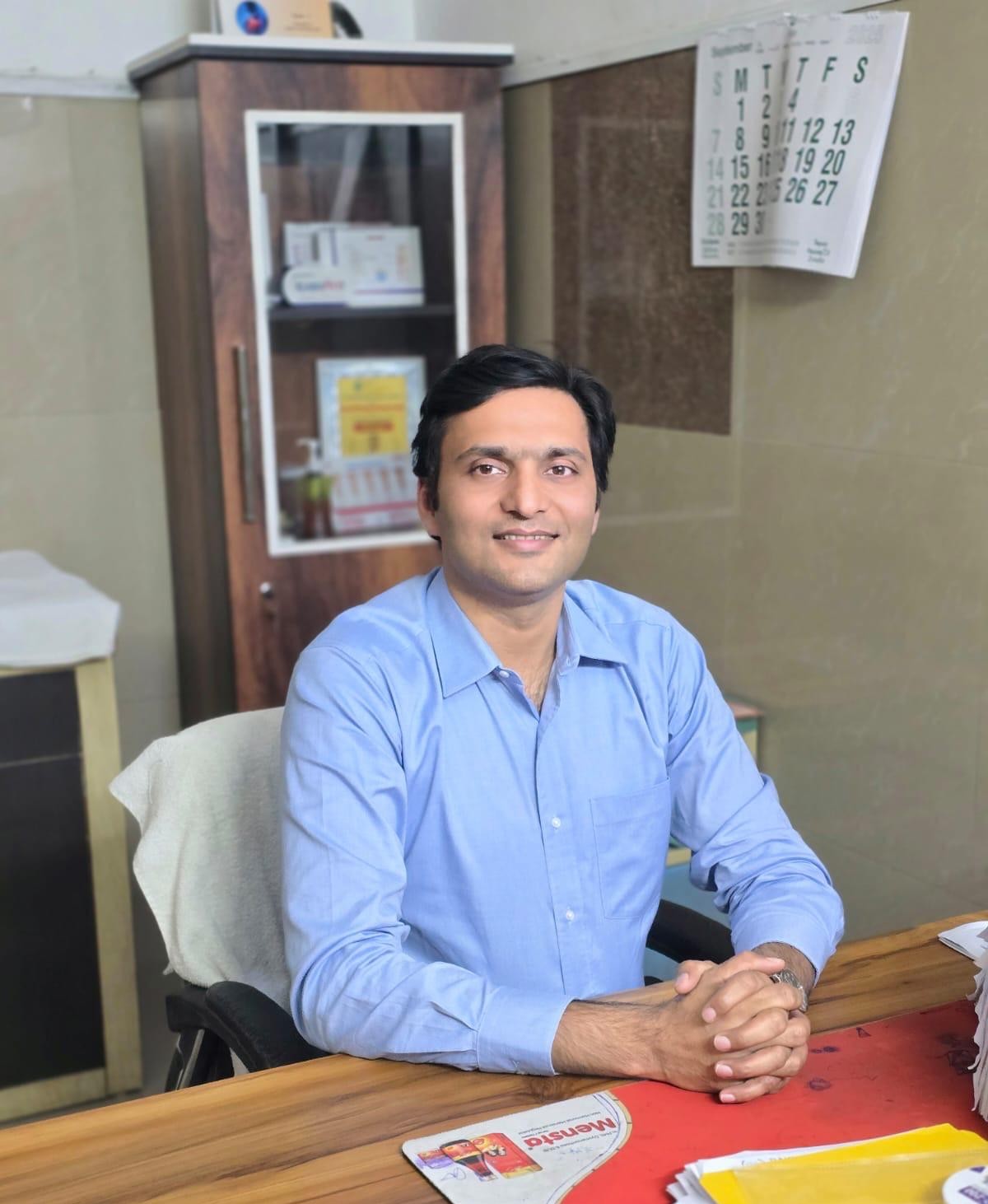
Dr. Abhishek Aggarwal is a highly skilled GI & HPB surgeon with over 10 years of experience in managing complex gastrointestinal and hepato-pancreato-biliary diseases, with a special focus on oncological surgery. He currently serves as Associate Director – GI Oncosurgery at BLK-Max Super Speciality Hospital, where he is actively involved in delivering advanced surgical care for GI and HPB malignancies.
He has trained and worked in reputed high-volume centres, gaining extensive expertise in complex oncological procedures and multidisciplinary cancer care. His clinical practice is firmly grounded in scientific, evidence-based medicine, ensuring that patients receive treatment aligned with the latest global standards and research.
OPD Timing: 09:00 AM – 05:00 PM
Contact Dr. Abhishek →