Oesophageal (Food Pipe) Cancer
Comprehensive surgical treatment for oesophageal cancer — including minimally-invasive oesophagectomy and multidisciplinary care.
Understanding Oesophageal Cancer
Oesophageal cancer includes squamous cell carcinoma (often in the upper/middle oesophagus) and adenocarcinoma (typically at the lower oesophagus and gastro-oesophageal junction). Treatment is multidisciplinary — neoadjuvant chemoradiation followed by oesophagectomy offers the best results for locally advanced disease.
- Two main types: squamous cell and adenocarcinoma
- Risk factors include smoking, alcohol, obesity, Barrett’s oesophagus
- Progressive difficulty swallowing is the hallmark symptom
- Treated with surgery, chemotherapy, radiotherapy or combinations
Frequently Asked Questions
What are the symptoms of oesophageal cancer?
How is oesophageal cancer diagnosed?
What is an oesophagectomy?
Do I need chemotherapy before surgery?
What is Barrett’s oesophagus?
Is minimally invasive oesophagectomy safer?
How long is recovery?
Will I be able to eat normally after surgery?
What are the survival rates?
What are the complications of oesophagectomy?
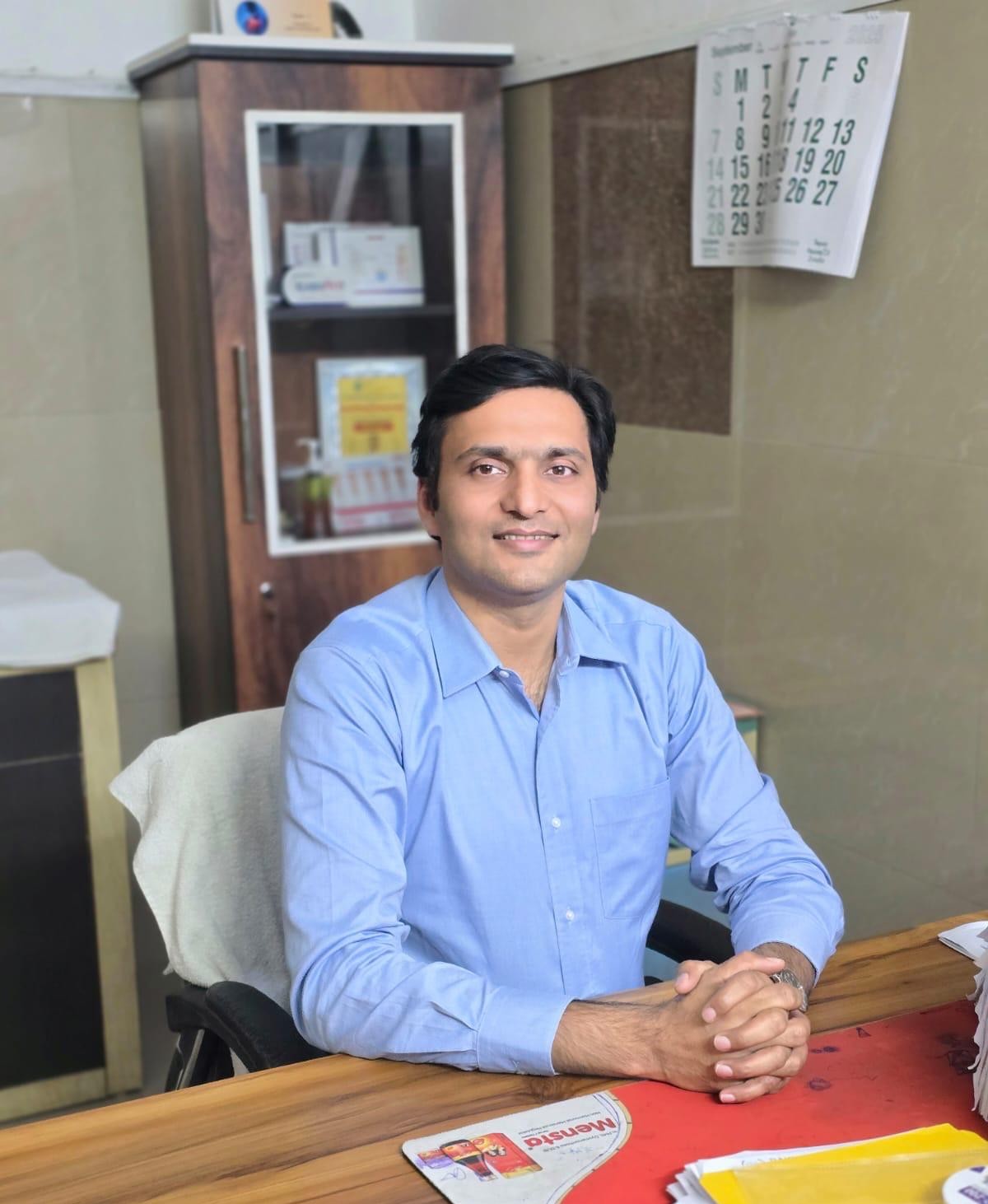
Meet Dr. Abhishek Aggarwal
Dr. Abhishek Aggarwal is a highly skilled GI & HPB surgeon with over 10 years of experience in managing complex gastrointestinal and hepato-pancreato-biliary diseases, with a special focus on oncological surgery. He currently serves as Associate Director – GI Oncosurgery at BLK-Max Super Speciality Hospital, where he is actively involved in delivering advanced surgical care for GI and HPB malignancies.
He has trained and worked in reputed high-volume centres, gaining extensive expertise in complex oncological procedures and multidisciplinary cancer care. His clinical practice is firmly grounded in scientific, evidence-based medicine, ensuring that patients receive treatment aligned with the latest global standards and research.
OPD Timing: 09:00 AM – 05:00 PM
Contact Dr. Abhishek →