Advanced Colorectal Cancer Surgery in Delhi
Precision laparoscopic and robotic surgery for colon and rectal cancer — delivered by one of India’s most experienced GI oncosurgeons at BLK-Max Super Speciality Hospital.
Book Consultation →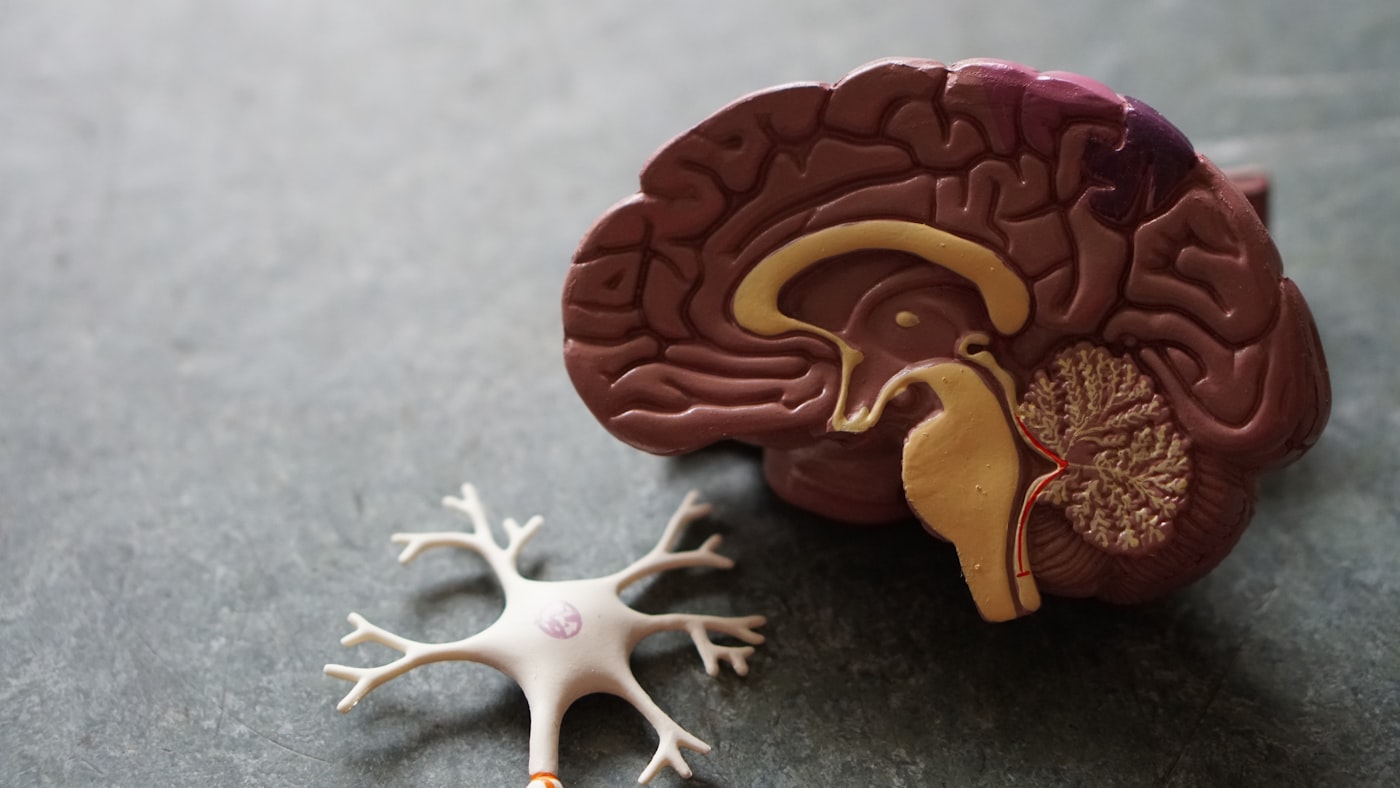
Understanding Colorectal Cancer
Colorectal cancer — cancer that begins in the colon (large intestine) or the rectum — is the third most commonly diagnosed cancer worldwide and a leading cause of cancer-related deaths. In India, incidence has been rising steadily, particularly in metropolitan cities, driven by dietary change, sedentary lifestyles, and an aging population. The reassuring news is that colorectal cancer is also one of the most preventable and, when caught early, most curable cancers. Five-year survival for localized disease exceeds 90%, yet too many Indian patients still present at Stage III or IV simply because symptoms were attributed to “piles,” irritable bowel, or dietary indiscretion for months or years before diagnosis.
At Dr. Abhishek Aggarwal’s clinic at BLK-Max, every colorectal cancer patient is offered a complete multidisciplinary workup, a personalized treatment plan, and access to the full spectrum of modern surgical options — including minimally invasive laparoscopic, robotic, and sphincter-saving procedures that preserve quality of life while delivering cure.

The Anatomy: Where Colorectal Cancer Starts
The colon is a roughly 1.5-metre-long tube divided into four segments — the ascending, transverse, descending, and sigmoid colon — that ends in the 15 cm rectum before opening at the anus. Most colorectal cancers begin as benign polyps (small growths on the inner lining of the bowel) that slowly transform into cancer over 5–10 years. This long precancerous window is exactly why screening colonoscopy is so powerful: detecting and removing polyps before they become malignant prevents the cancer from ever happening.
Approximately 95% of colorectal cancers are adenocarcinomas arising from the glandular lining of the bowel. Less common types include neuroendocrine tumours, gastrointestinal stromal tumours (GISTs), lymphomas, and squamous cell carcinomas of the anal canal. Each behaves differently and each requires a specific treatment approach — another reason a dedicated GI cancer specialist is so important.
Stages of Colorectal Cancer
Cancer staging determines how far the disease has progressed, and it is the single most important factor guiding treatment decisions and predicting outcomes. The TNM system (Tumour, Node, Metastasis) is used worldwide.
Stage I
Cancer is confined to the inner layers of the bowel wall. 5-year survival exceeds 90%. Usually treated with surgery alone.
Stage II
Cancer has grown through the bowel wall but has not spread to lymph nodes. 5-year survival 70–85%. Surgery is primary; chemotherapy is added for high-risk features.
Stage III
Cancer has spread to regional lymph nodes. 5-year survival 40–70%. Requires surgery plus adjuvant chemotherapy, and radiation for rectal cancers.
Stage IV
Cancer has spread to distant organs — most commonly liver or lung. Multimodal treatment including surgery for oligometastases can still achieve long-term survival in selected patients.
Symptoms: Warning Signs You Should Never Ignore
Colorectal cancer is notorious for mimicking benign conditions. The most common symptoms include persistent change in bowel habit (new constipation, diarrhoea, or alternating pattern) lasting more than three weeks, rectal bleeding or blood in the stool, unexplained iron-deficiency anaemia, unintentional weight loss, persistent abdominal pain or cramping, a feeling of incomplete evacuation, narrowing of stool calibre, and profound fatigue. Any of these symptoms persisting beyond a few weeks — especially in anyone over 40 — warrants a specialist consultation and, in most cases, a colonoscopy. Bleeding should never be dismissed as “just piles” without a proper examination.
Risk Factors
- Age: Risk rises sharply after 50, though incidence in patients under 45 is increasing rapidly in India.
- Family history: A first-degree relative with colorectal cancer doubles personal risk.
- Inherited syndromes: Lynch syndrome and familial adenomatous polyposis (FAP) carry very high lifetime risk.
- Diet: High consumption of red and processed meat, low fibre, and low vegetable intake.
- Lifestyle: Obesity, physical inactivity, smoking, and heavy alcohol use.
- Inflammatory bowel disease: Long-standing ulcerative colitis or Crohn’s disease.
- Type 2 diabetes: Independently associated with increased risk.
How Colorectal Cancer Is Diagnosed
Accurate staging is the foundation of good treatment. Dr. Abhishek’s protocol includes:
- Colonoscopy with biopsy — the gold standard. A flexible scope examines the entire colon and suspicious areas are sampled for tissue diagnosis.
- Contrast-enhanced CT of chest, abdomen and pelvis — to assess local spread and rule out distant metastases.
- MRI pelvis — mandatory for rectal cancers to plan surgery and decide on preoperative radiation.
- CEA tumour marker — baseline level used to monitor response and detect recurrence.
- PET-CT — in selected cases, especially suspected metastatic disease.
- Molecular testing — KRAS, NRAS, BRAF, MSI/MMR, HER2 — to personalize chemotherapy and identify candidates for immunotherapy.
Treatment Options — Tailored to Every Stage
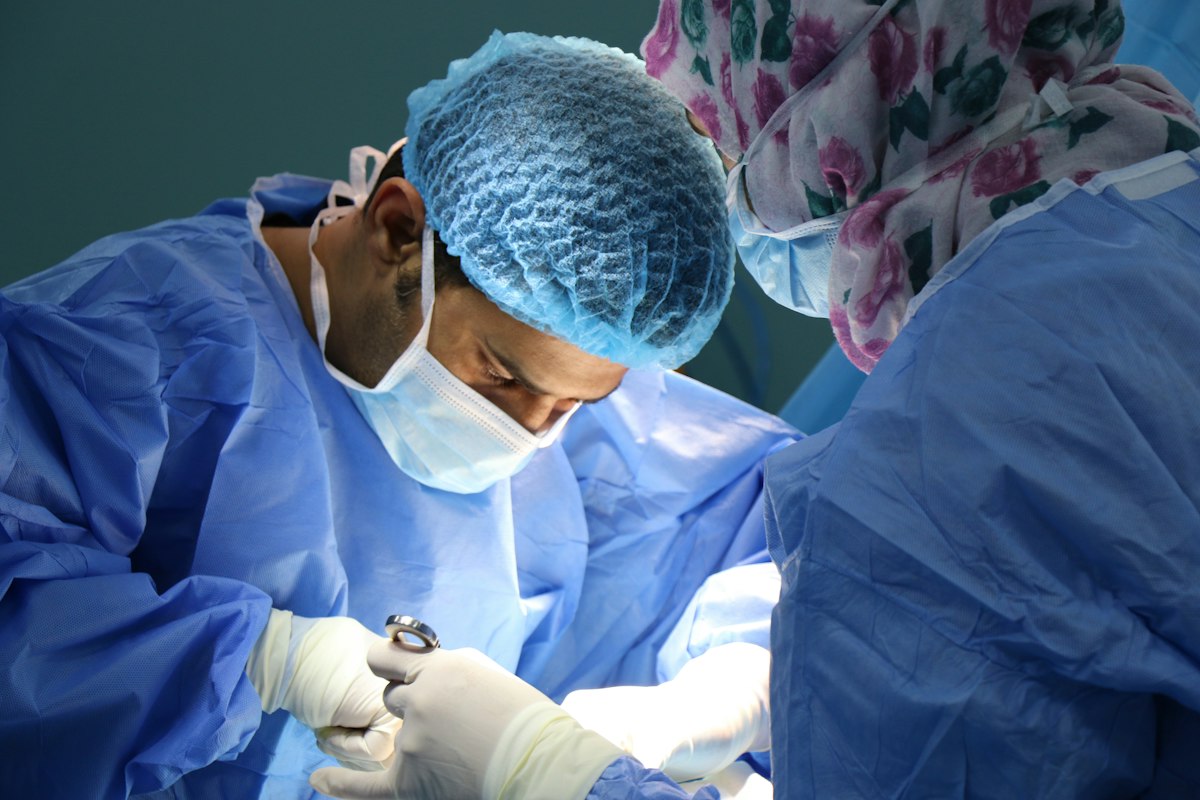
Laparoscopic Colectomy
Minimally invasive removal of the affected bowel segment through 4–5 small incisions. Equivalent oncological clearance to open surgery with less pain, shorter hospital stay, and faster return to work.
Robotic Surgery
For complex pelvic and rectal cancers, the robotic platform provides superior visualization and instrument precision — particularly valuable for sphincter-preserving low rectal resections.
Total Mesorectal Excision (TME)
The gold-standard operation for rectal cancer. Meticulous sharp dissection of the entire mesorectum dramatically reduces local recurrence rates.
Sphincter-Saving Surgery
In carefully selected low rectal cancers, the anal sphincter can be preserved, avoiding a permanent colostomy while maintaining cure rates.
Neoadjuvant Therapy
For locally advanced rectal cancer, short-course radiation or total neoadjuvant therapy is given before surgery to shrink the tumour and improve outcomes.
Metastasectomy
Selected patients with liver or lung metastases can still be cured with resection of the metastases combined with chemotherapy — a domain in which Dr. Abhishek has particular expertise.
Recovery & Outcomes
With minimally invasive surgery, most patients begin walking the same evening, resume liquids within 24 hours, and are discharged on days 4–6 after colon resections and days 6–8 after rectal resections. Return to office work typically takes 3–4 weeks. Adjuvant chemotherapy, where indicated, usually begins 6–8 weeks after surgery. Long-term outcomes depend on stage at diagnosis, completeness of resection, and adherence to follow-up. For localized disease treated in a high-volume specialist centre, cure is the expectation — not the exception.
Why Choose Dr. Abhishek Aggarwal
Dr. Abhishek has performed over 500 GI cancer surgeries with published outcomes comparable to the best international centres. His practice is built on four principles: careful patient selection, meticulous oncological surgery, honest communication, and rigorous long-term follow-up. Every patient gets his direct phone number, personalized attention, and a treatment plan that respects both their disease and their life.
Frequently Asked Questions
Can colorectal cancer be cured?
Yes. When caught at Stage I or II and treated at a specialized centre, cure rates exceed 80%. Even Stage III disease has 5-year survival of 60–70% with modern multimodal therapy. The key is early diagnosis and complete oncological surgery.
At what age should I consider a screening colonoscopy?
For average-risk adults in India, screening should begin at 45. Those with a family history, inflammatory bowel disease, or hereditary syndromes should start earlier — typically 10 years before the age at which their youngest affected relative was diagnosed.
Will I need a permanent colostomy?
For most colon cancers, no — the bowel is rejoined at the time of surgery. For low rectal cancers, sphincter-saving techniques allow us to avoid a permanent stoma in the majority of cases. When a temporary stoma is needed to protect the anastomosis, it is usually reversed within 3 months.
How long is the hospital stay after laparoscopic colon surgery?
Typical stay after laparoscopic colectomy is 4–6 days. Robotic rectal surgery may require 6–8 days. Patients return to normal daily activities in 3–4 weeks.
Is laparoscopic surgery as effective as open surgery for cancer?
Yes. Multiple large randomized trials have confirmed that, in experienced hands, laparoscopic and robotic colorectal cancer surgery achieve identical oncological outcomes compared to open surgery — with significantly lower morbidity.
Do I need chemotherapy after surgery?
It depends on stage and pathology. Stage I almost never requires chemotherapy. Stage II with high-risk features and all Stage III patients benefit from adjuvant chemotherapy. Molecular testing helps personalize the regimen.
What is the role of radiation therapy?
Radiation is primarily used for rectal cancer — either before surgery to shrink the tumour or after surgery to reduce local recurrence. It is generally not used for colon cancer.
Can Stage IV colorectal cancer be treated?
Yes. Selected patients with liver or lung metastases can achieve long-term survival — and even cure — through aggressive multimodal treatment combining chemotherapy with metastasectomy. The decision requires experienced multidisciplinary input.
What dietary changes help during and after treatment?
A balanced high-fibre diet rich in vegetables, fruits, whole grains, and lean protein, with reduced red meat and processed food, supports recovery and reduces recurrence risk. Specific guidance is tailored after surgery based on the procedure performed.
How often will I need follow-up after surgery?
Follow-up every 3 months for the first 2 years, then every 6 months until year 5, with CEA, imaging, and colonoscopy at set intervals. This surveillance catches recurrences early when they are still curable.
Meet Dr. Abhishek Aggarwal
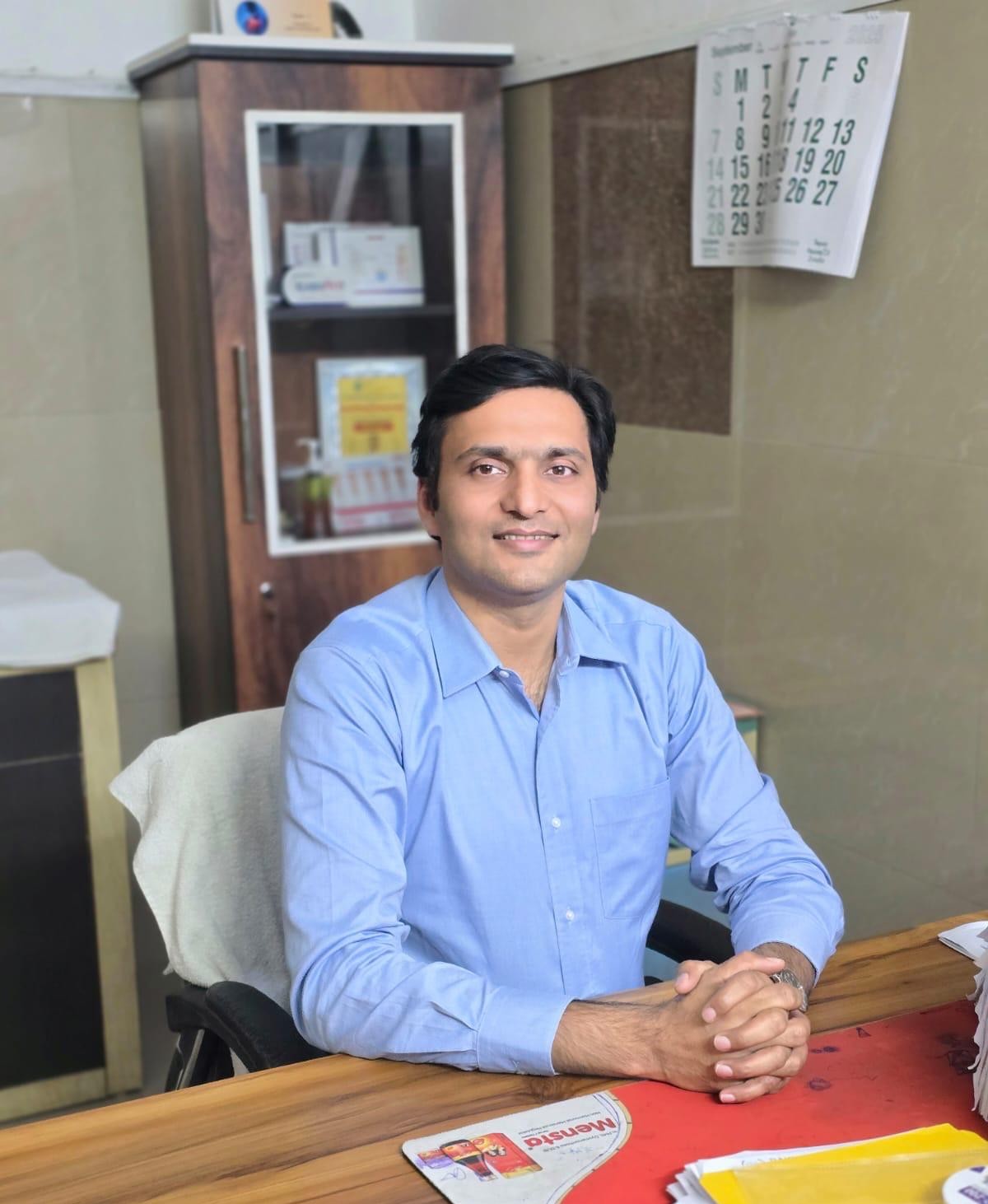
Dr. Abhishek Aggarwal is a highly skilled GI & HPB surgeon with over 10 years of experience in managing complex gastrointestinal and hepato-pancreato-biliary diseases, with a special focus on oncological surgery. He currently serves as Associate Director – GI Oncosurgery at BLK-Max Super Speciality Hospital, where he is actively involved in delivering advanced surgical care for GI and HPB malignancies.
He has trained and worked in reputed high-volume centres, gaining extensive expertise in complex oncological procedures and multidisciplinary cancer care. His clinical practice is firmly grounded in scientific, evidence-based medicine, ensuring that patients receive treatment aligned with the latest global standards and research.
OPD Timing: 09:00 AM – 05:00 PM
Contact Dr. Abhishek →