
Colorectal Cancer
Colorectal cancer is a type of cancer that starts in the colon or rectum, which are parts of the large intestine. It is one of the most common cancers worldwide, but it is also highly treatable when detected early. This cancer usually begins as small, non-cancerous growths called polyps that can develop into cancer over time if not treated.
With increasing lifestyle-related risk factors, colorectal cancer is becoming more common even among younger individuals. Early screening and timely medical intervention play a crucial role in preventing and successfully treating this disease.
What is Colorectal Cancer?
Colorectal cancer occurs when abnormal cells in the colon or rectum grow uncontrollably and form a tumor. These cancer cells can invade nearby tissues and may spread to other parts of the body such as the liver or lungs if left untreated.
Most colorectal cancers begin as adenocarcinomas, which develop in the glandular cells lining the colon and rectum.
Types of Colorectal Cancer
Adenocarcinoma
Most common type, starts in mucus-producing gland cells
Carcinoid Tumors
Develop from hormone-producing cells
Gastrointestinal Stromal Tumors (GIST)
Rare tumors in connective tissue
Lymphomas
Affect immune system cells in the colon
Symptoms of Colorectal Cancer
In early stages, symptoms may be mild or absent. As the disease progresses, the following signs may appear:
- Changes in bowel habits (diarrhea or constipation)
- Blood in stool or rectal bleeding
- Persistent abdominal discomfort (cramps, gas, pain)
- Feeling that the bowel does not empty completely
- Weakness and fatigue
- Unexplained weight loss
- Narrow stools
Causes and Risk Factors
Several factors can increase the risk of colorectal cancer:
Age above 45–50 years
Family history of colorectal cancer or polyps
Diet high in red or processed meat
Low fiber diet
Obesity and lack of physical activity
Smoking and excessive alcohol consumption
Inflammatory bowel diseases (Crohn’s disease or ulcerative colitis)
Diabetes
Diagnosis of Colorectal Cancer
Early detection is key to successful treatment. Doctors may recommend:
Colonoscopy
Gold standard test to detect and remove polyps
Stool Tests
To detect hidden blood in stool
CT Scan / MRI
To determine cancer spread
Biopsy
Confirms the presence of cancer cells
Blood Tests
Including tumor markers like CEA
Advanced Treatment Options
Treatment depends on the stage and patient condition:

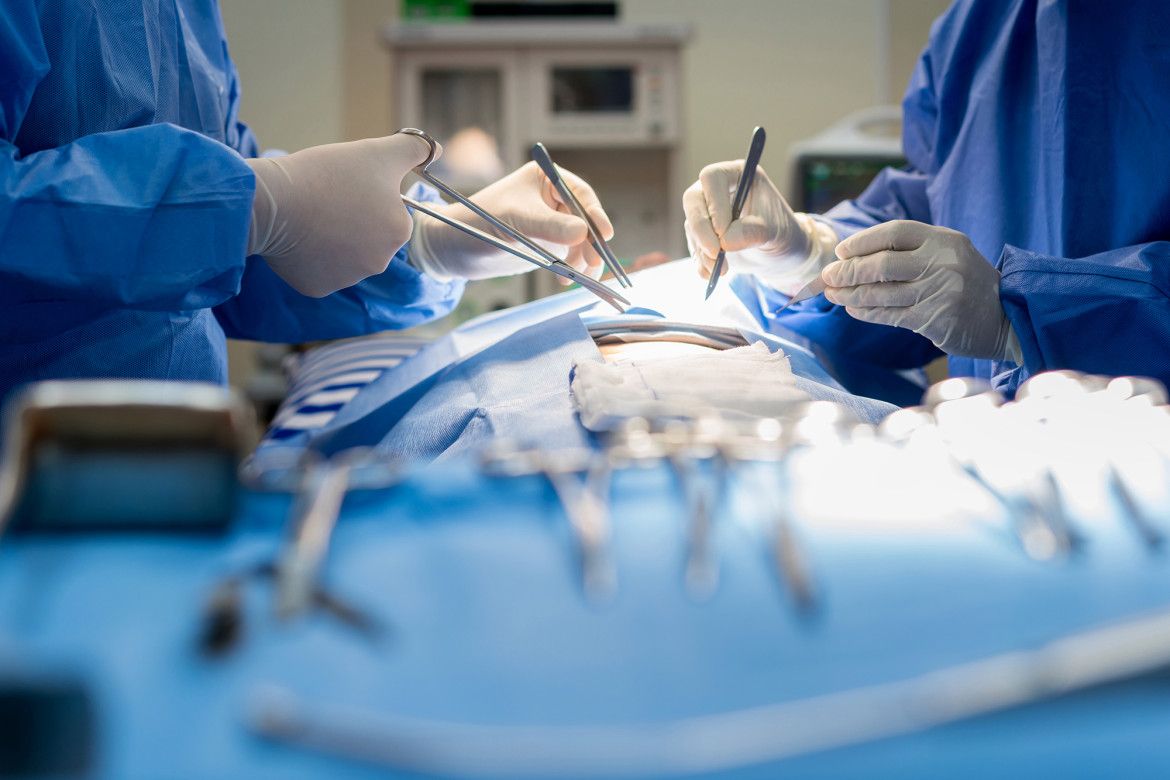
Surgery
Removal of the tumor and affected part of the colon
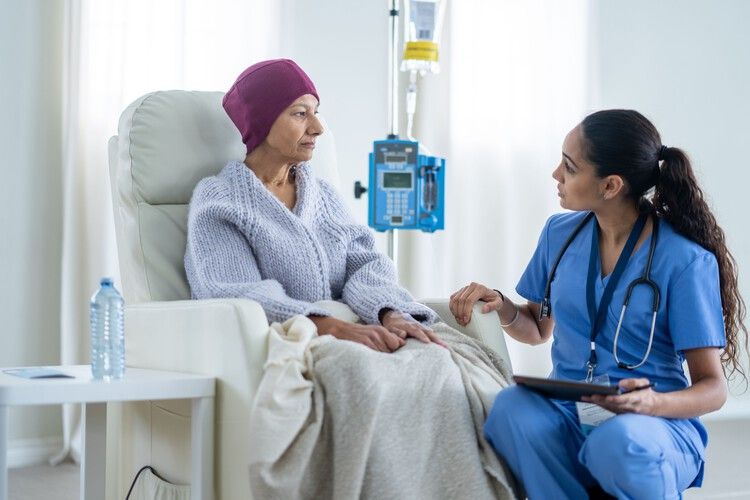
Chemotherapy
Uses drugs to kill cancer cells or stop their growth

Targeted Therapy
Focuses on specific cancer cell pathways
Immunotherapy
Boosts the immune system to fight cancer
Radiation Therapy
Commonly used for rectal cancer
Prevention Tips
Colorectal cancer can often be prevented with healthy lifestyle choices:
Eat a high-fiber diet (fruits, vegetables, whole grains)
Reduce intake of red and processed meats
Exercise regularly
Maintain a healthy weight
Avoid smoking and limit alcohol
Go for regular screening after age 45
Why Choose Our Colorectal Cancer Treatment in Delhi
Experienced colorectal and cancer specialists
Advanced endoscopy and surgical techniques
Early detection through screening programs
Personalized treatment plans
Minimally invasive procedures
Affordable and high-quality care