Liver Cancer
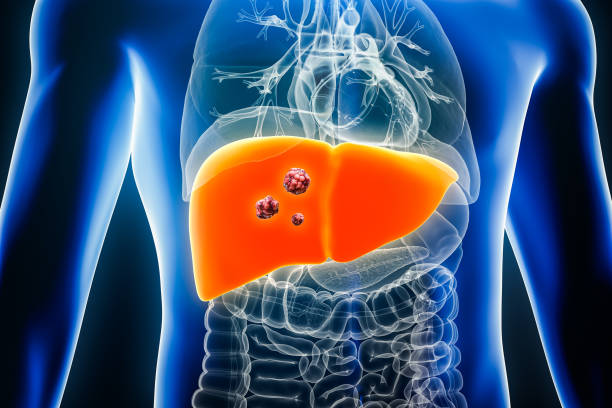
Liver cancer is a serious and potentially life-threatening condition that starts in the cells of the liver. The liver is one of the most important organs in the body, responsible for filtering toxins, producing bile for digestion, and storing essential nutrients. When abnormal cells begin to grow uncontrollably in the liver, they can form tumors, leading to liver cancer.
This disease is more common in individuals with pre-existing liver conditions such as hepatitis infection, cirrhosis, or fatty liver disease. Early diagnosis and timely treatment are critical for improving survival rates and ensuring better outcomes.
What is Liver Cancer?
Liver cancer occurs when normal liver cells undergo changes (mutations) in their DNA, causing them to grow and multiply rapidly without control. These abnormal cells can form a tumor and interfere with the normal functioning of the liver.
The most common type of liver cancer is hepatocellular carcinoma (HCC), which originates in the primary liver cells called hepatocytes. In some cases, cancer can also spread to the liver from other parts of the body, known as secondary or metastatic liver cancer.
Types of Liver Cancer
Hepatocellular Carcinoma (HCC)
The most common type, usually seen in patients with chronic liver disease
Cholangiocarcinoma
Cancer that begins in the bile ducts
Angiosarcoma
A rare but aggressive cancer that starts in the liver’s blood vessels
Secondary Liver Cancer
Cancer that spreads to the liver from other organs such as the colon, lungs, or breast
Symptoms of Liver Cancer
Liver cancer may not show symptoms in the early stages, which makes regular screening important for high-risk individuals. As the disease progresses, the following symptoms may appear:
- Sudden and unexplained weight loss
- Loss of appetite or feeling full quickly
- Persistent pain in the upper right abdomen
- Nausea and vomiting
- General weakness and fatigue
- Swelling in the abdomen (ascites)
- Yellowing of the skin and eyes (jaundice)
- Dark urine and pale stools
Causes and Risk Factors
Several factors can increase the risk of developing liver cancer. Understanding these risk factors can help in prevention and early detection:
Chronic infection with Hepatitis B or Hepatitis C
Liver cirrhosis caused by long-term liver damage
Excessive alcohol consumption
Non-alcoholic fatty liver disease (NAFLD)
Obesity and diabetes
Exposure to harmful toxins such as aflatoxins
Diagnosis of Liver Cancer
Early and accurate diagnosis is essential for effective treatment. Doctors may use a combination of the following tests:
Blood Tests
To check liver function and tumor markers like AFP (Alpha-fetoprotein)
Ultrasound
Initial imaging to detect abnormalities in the liver
CT Scan / MRI
Detailed imaging to determine the size and location of tumors
Liver Biopsy
A small sample of liver tissue is examined to confirm cancer
Advanced Treatment Options
The treatment of liver cancer depends on the stage of the disease, liver function, and overall health of the patient. Modern medicine offers multiple effective treatment options:

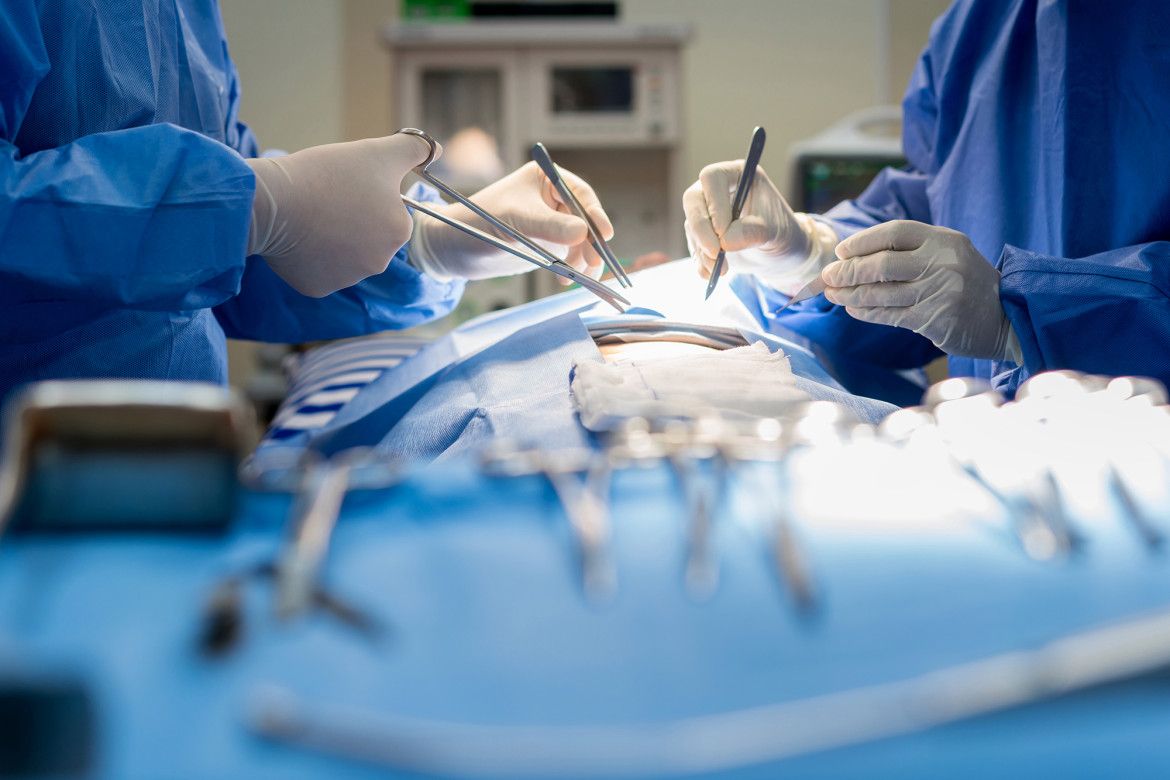
Surgery
Removal of the tumor (partial hepatectomy) Liver transplant in advanced cases
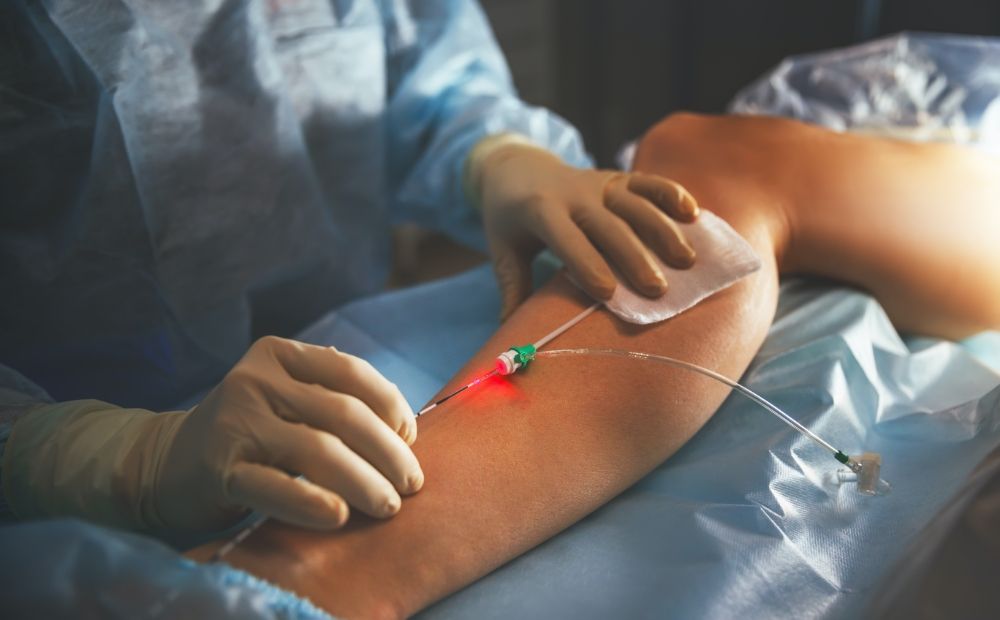
Ablation Therapy
Uses heat (radiofrequency) or chemicals to destroy cancer cells
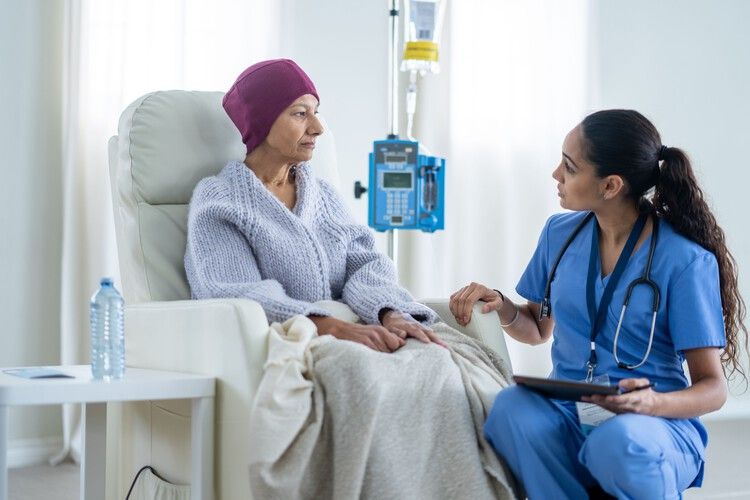
Chemotherapy
Anti-cancer drugs used to kill or slow the growth of cancer cells

Targeted Therapy
Focuses on specific genes or proteins involved in cancer growth

Immunotherapy
Helps the immune system recognize and attack cancer cells
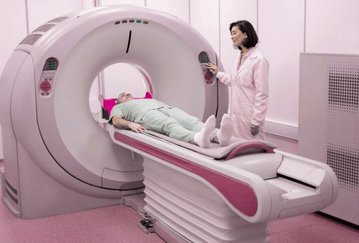
Radiation Therapy
Uses high-energy rays to destroy cancer cells
Prevention Tips
While not all cases of liver cancer can be prevented, certain lifestyle changes can significantly reduce the risk:
Get vaccinated against Hepatitis B
Avoid excessive alcohol consumption
Maintain a healthy weight and balanced diet
Exercise regularly
Avoid exposure to contaminated food and toxins
Go for regular health check-ups, especially if you are at high risk
Why Choose Our Liver Cancer Treatment in Delhi
Highly experienced and specialized liver surgeons
Advanced diagnostic and treatment technologies
Personalized and patient-focused care
Minimally invasive procedures for faster recovery
Affordable and comprehensive treatment plans
High success rate with improved patient outcomes