Pancreatic Cancer

Pancreatic Cancer

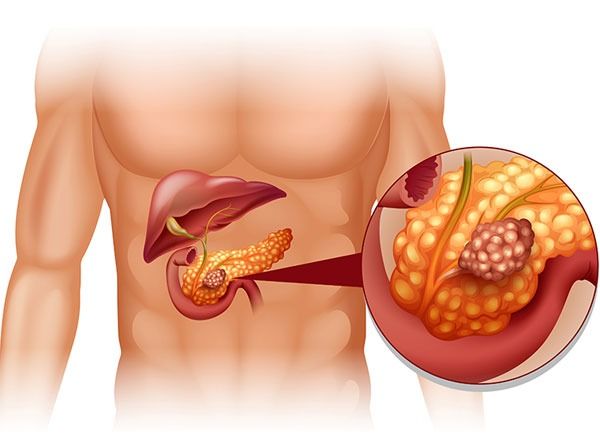
Pancreatic cancer is a serious and often aggressive form of cancer that begins in the tissues of the pancreas—an essential organ located behind the stomach. The pancreas plays a vital role in digestion and blood sugar regulation by producing enzymes and hormones like insulin.

This type of cancer is often difficult to detect in its early stages because symptoms are usually mild or non-specific. As a result, pancreatic cancer is frequently diagnosed at an advanced stage. However, with modern medical advancements, early diagnosis and targeted treatment can significantly improve outcomes and quality of life.

What is Pancreatic Cancer?

Pancreatic cancer occurs when abnormal cells in the pancreas grow uncontrollably and form a tumor. These cancer cells can spread to nearby organs such as the liver, intestines, and lungs if not treated in time.

The most common type is pancreatic ductal adenocarcinoma (PDAC), which begins in the ducts of the pancreas that carry digestive enzymes.

Types of Pancreatic Cancer

Pancreatic Ductal Adenocarcinoma (PDAC)

Most common type

Neuroendocrine Tumors (NETs)

Rare and slower-growing tumors

Cystic Tumors

Fluid-filled tumors that may become cancerous

Acinar Cell Carcinoma

Rare type affecting enzyme-producing cells

Symptoms of Pancreatic Cancer

Pancreatic cancer often does not show early symptoms. As the disease progresses, the following signs may appear:

Causes and Risk Factors

Several factors can increase the risk of pancreatic cancer:

Smoking (one of the major risk factors)

Chronic pancreatitis (long-term inflammation of the pancreas)

Family history of pancreatic cancer

Obesity

Diabetes

Age above 50 years

Genetic mutations

High-fat diet

Diagnosis of Pancreatic Cancer

Early and accurate diagnosis is essential for better treatment outcomes. Doctors may recommend:

Blood Tests

Including tumor markers like CA 19-9

Ultrasound

Initial imaging test

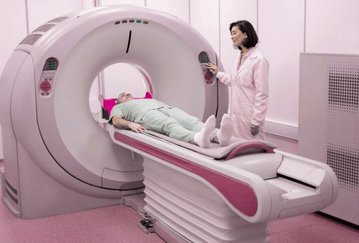
CT Scan / MRI

Detailed imaging to assess tumor size and spread

Endoscopic Ultrasound (EUS)

Provides close imaging of the pancreas

Biopsy

Confirms the presence of cancer cells

Advanced Treatment Options

Treatment depends on the stage, location of the tumor, and overall health of the patient:

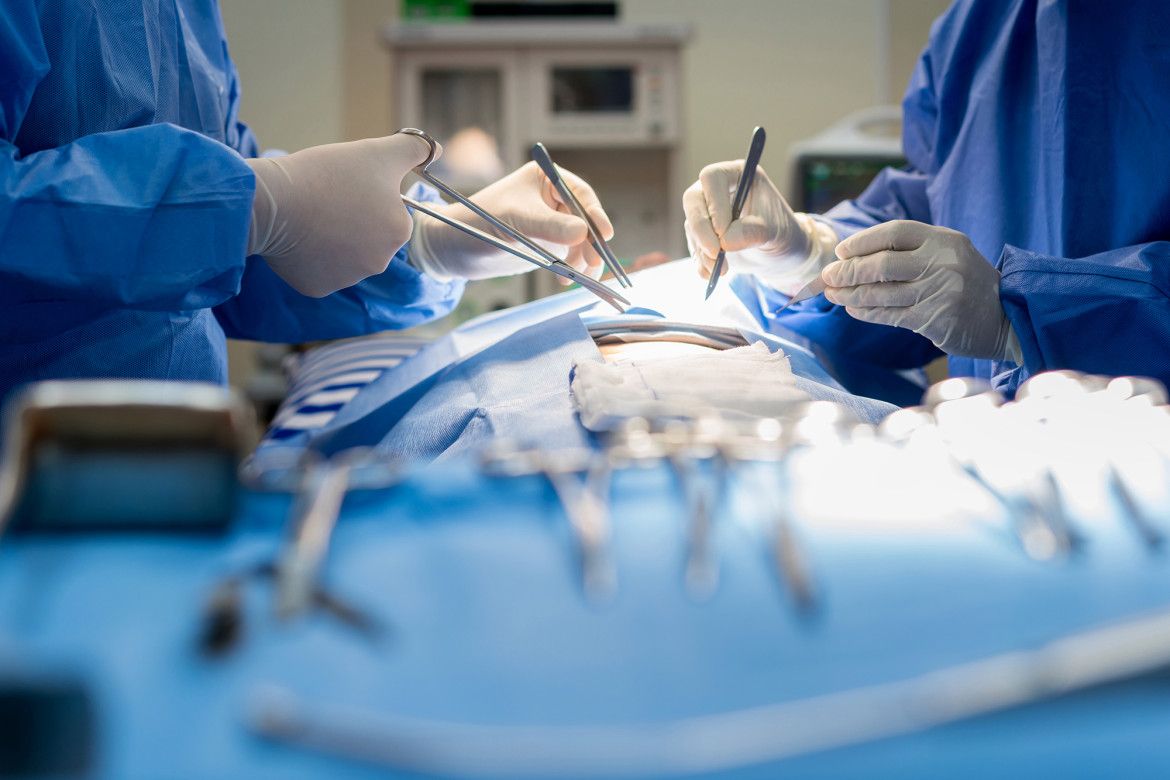
Surgery

Whipple Procedure (Pancreaticoduodenectomy)

Palliative Care

Improves quality of life by managing symptoms

Chemotherapy

Helps kill cancer cells or slow their growth

Targeted Therapy

Focuses on specific genes or proteins involved in cancer
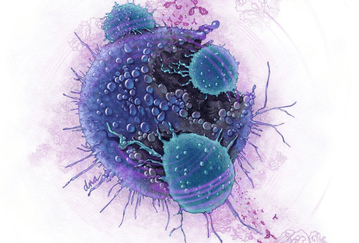
Immunotherapy

Enhances the body’s immune response against cancer
Radiation Therapy

Uses high-energy rays to target cancer cells

Prevention Tips

Although pancreatic cancer cannot always be prevented, the following steps may help reduce risk:

Quit smoking

Maintain a healthy weight

Eat a balanced diet rich in fruits and vegetables

Limit alcohol consumption

Manage diabetes effectively

Regular health check-ups, especially for high-risk individuals

Why Choose Our Pancreatic Cancer Treatment in Delhi

Experienced oncology and gastro specialists

Advanced diagnostic and surgical technologies

Personalized treatment plans

Minimally invasive procedures for faster recovery

Comprehensive cancer care under one roof

Affordable and patient-focused approach

Scroll to Top