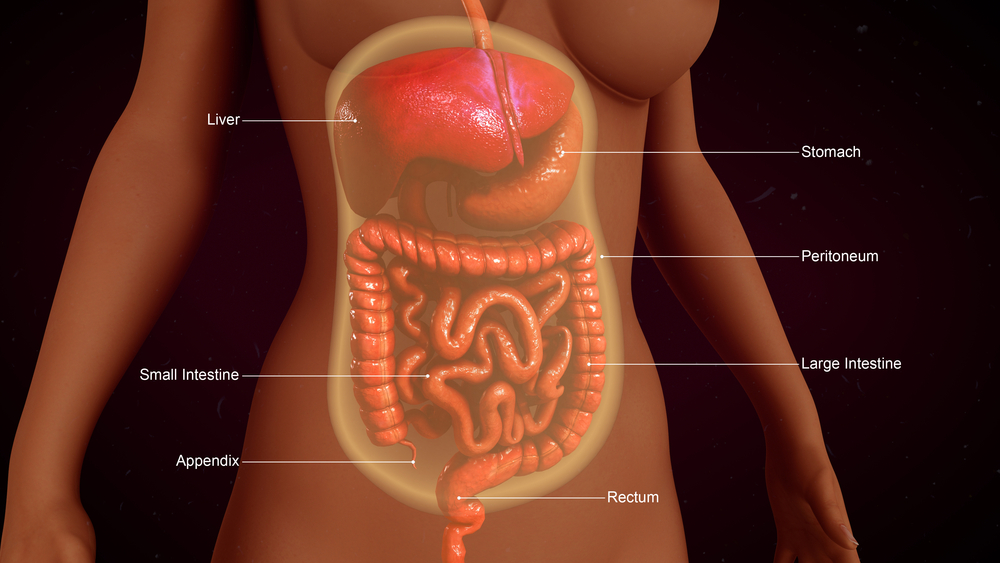
Peritoneal Surface Malignancy
Peritoneal Surface Malignancy (PSM) is a complex condition in which cancer spreads to the peritoneum—the thin lining that covers the abdominal organs. It may originate from the peritoneum itself or spread from other cancers such as colorectal, ovarian, appendix, or stomach cancers.
This condition is often considered advanced, but with modern treatment approaches like cytoreductive surgery and HIPEC (Heated Intraperitoneal Chemotherapy), effective management and improved survival outcomes are now possible.
What is Peritoneal Surface Malignancy?
Peritoneal Surface Malignancy occurs when cancer cells spread across the peritoneal lining inside the abdomen. Instead of forming a single tumor, the cancer may appear as multiple small deposits across abdominal organs.
It can be:
- Primary: Originating in the peritoneum (e.g., primary peritoneal cancer)
- Secondary (Metastatic): Spread from cancers of colon, stomach, ovary, or appendix
Common Causes and Associated Cancers
PSM is usually associated with the spread of other cancers, including:
Colorectal cancer
Ovarian cancer
Appendix cancer
Stomach (gastric) cancer
Symptoms of Peritoneal Surface Malignancy
Symptoms may be vague and develop gradually:
- Abdominal swelling or bloating
- Persistent abdominal pain
- Ascites (fluid accumulation in abdomen)
- Nausea and vomiting
- Loss of appetite
- Unexplained weight loss
- Changes in bowel habits
- Fatigue and weakness
Risk Factors
History of abdominal cancers
Late-stage gastrointestinal or gynecological cancers
Genetic predisposition
Delayed diagnosis of primary cancer
Diagnosis of Peritoneal Surface Malignancy
Accurate diagnosis requires advanced imaging and evaluation:
CT Scan / MRI
To detect spread within the abdomen
PET Scan
To identify active cancer areas
Diagnostic Laparoscopy
Direct visualization of peritoneum
Biopsy
Confirms cancer type
Tumor Markers
Blood tests for cancer indicators
Prevention and Early Detection
While PSM itself cannot always be prevented, early detection of primary cancers can reduce the risk:
Regular screening for colorectal and gastric cancers
Early treatment of appendix or ovarian tumors
Awareness of persistent abdominal symptoms
Routine health check-ups for high-risk individuals
Why Choose Our Peritoneal Surface Malignancy Treatment in Delhi
Expertise in advanced CRS + HIPEC procedures
Multidisciplinary team of surgical oncologists
State-of-the-art operation and ICU facilities
Personalized treatment plans
High success rates with advanced care
Comprehensive cancer management under one roof