Gallbladder Cancer
India sees the world’s highest rates of gallbladder cancer. Dr. Abhishek is a specialist in curative radical cholecystectomy and complex liver resections for GBC.
Understanding Gallbladder Cancer
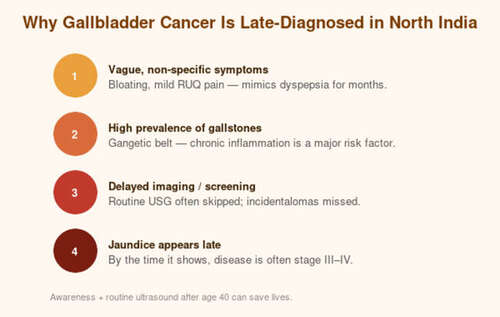
Gallbladder cancer (GBC) is uncommon worldwide but extremely common in North India, Bihar, and the Gangetic belt. It is often discovered incidentally after routine gallbladder removal — and in those cases, a second, completion cancer surgery is frequently needed to cure it.
Why specialist surgery matters
GBC can spread rapidly and the curative window is narrow. Specialist radical cholecystectomy — which removes the gallbladder, a wedge of adjacent liver, and regional lymph nodes — is the only chance of cure in most cases. Outcomes at high-volume HPB centres are dramatically better.
Frequently Asked Questions
Answers to the most common questions about Gallbladder Cancer.
What is radical cholecystectomy?
Radical cholecystectomy is the curative operation for gallbladder cancer. It removes the gallbladder, a 2–3 cm wedge of adjacent liver (segments IVb/V), and all regional lymph nodes — much more extensive than a routine gallbladder removal.
I had my gallbladder removed and cancer was found — what now?
This is called “incidental gallbladder cancer”. You should urgently see an HPB specialist. For T1b or higher tumours, completion radical surgery significantly improves survival. Timing matters — ideally within 4–8 weeks of the original surgery.
Why is gallbladder cancer so common in North India?
The exact reasons are not known, but the Gangetic belt has the world’s highest incidence. Contributing factors include chronic gallstones, high heavy-metal content in river water, dietary factors, and possibly genetic susceptibility.
Do all gallstones cause cancer?
No — most people with gallstones never develop cancer. Risk is higher with large stones (>3 cm), porcelain gallbladder, long-standing disease, and in the Gangetic belt. Routine cholecystectomy for symptomatic stones remains the standard of care.
What are the symptoms of gallbladder cancer?
Early GBC has no symptoms and is often found incidentally. Advanced GBC causes right upper abdominal pain, weight loss, jaundice, a palpable mass, or persistent nausea. Any gallbladder polyp over 1 cm should be evaluated.
Is gallbladder cancer curable?
Yes, early-stage gallbladder cancer is curable with specialist surgery. Stage T1b and T2 cancers achieve 5-year survival of 60–80% after radical resection. Advanced cases benefit from chemotherapy plus surgery where appropriate.
What about gallbladder polyps?
Polyps under 6 mm are usually benign and can be monitored. Polyps 6–9 mm need regular ultrasound surveillance. Polyps ≥ 10 mm or any polyp in a patient over 50 should be removed surgically.
Do I need chemotherapy for gallbladder cancer?
Adjuvant chemotherapy (typically capecitabine) is recommended after surgery for T2 or higher GBC, and significantly improves survival. Advanced or unresectable cases may receive combination chemotherapy first.
How long does recovery take?
Hospital stay after radical cholecystectomy is typically 5–7 days. Most patients return to normal activities within 4 weeks. Major liver resections (for larger tumours) take longer to recover — 6–8 weeks.
How do I get evaluated?
Send your ultrasound, CT scan, biopsy and any previous surgery notes to our contact form. Dr. Abhishek will personally review your case and respond within 48 hours with a treatment plan.
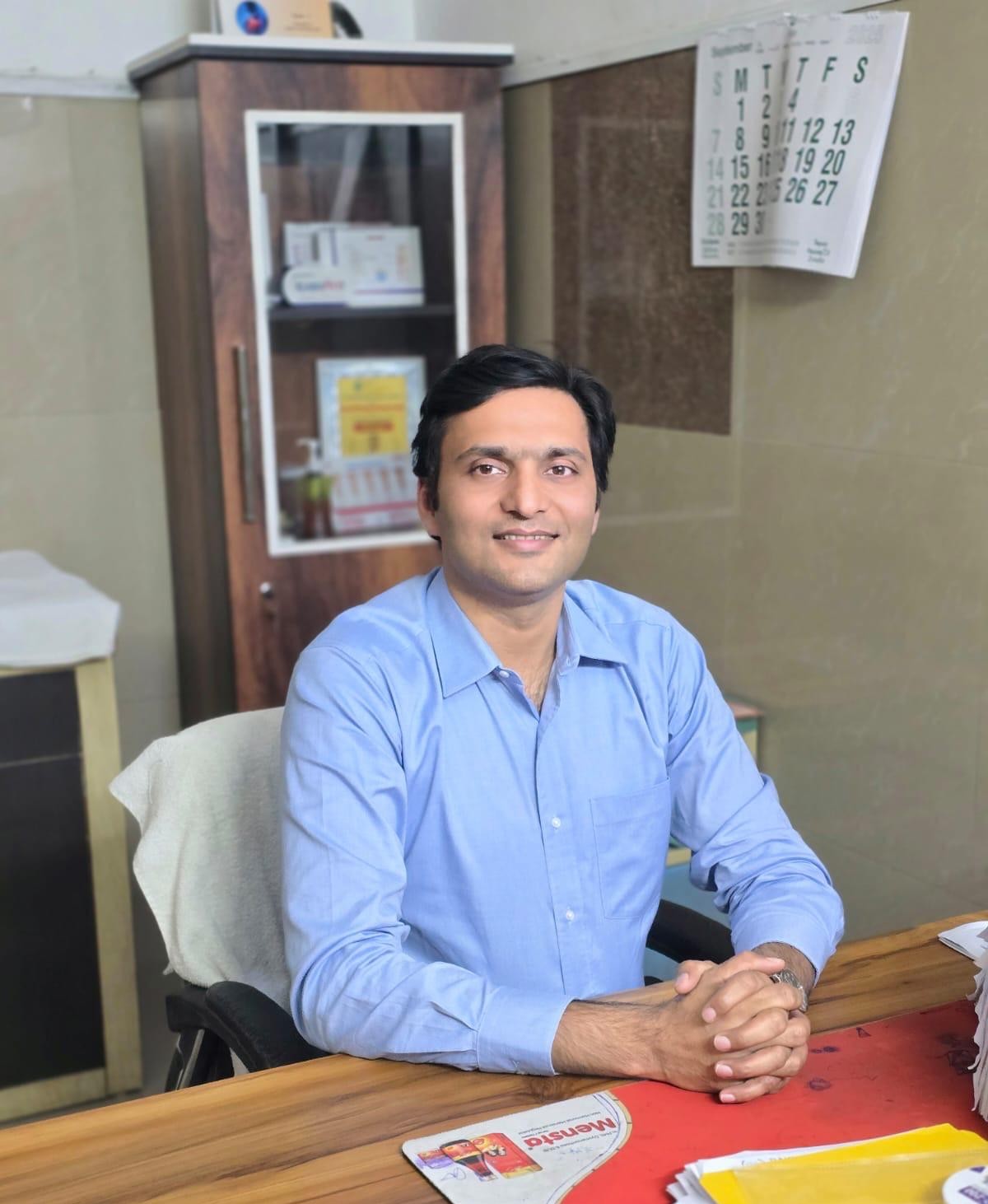
Meet Dr. Abhishek Aggarwal
Dr. Abhishek Aggarwal is a highly skilled GI & HPB surgeon with over 10 years of experience in managing complex gastrointestinal and hepato-pancreato-biliary diseases, with a special focus on oncological surgery. He currently serves as Associate Director – GI Oncosurgery at BLK-Max Super Speciality Hospital, where he is actively involved in delivering advanced surgical care for GI and HPB malignancies.
He has trained and worked in reputed high-volume centres, gaining extensive expertise in complex oncological procedures and multidisciplinary cancer care. His clinical practice is firmly grounded in scientific, evidence-based medicine, ensuring that patients receive treatment aligned with the latest global standards and research.
OPD Timing: 09:00 AM – 05:00 PM
Contact Dr. Abhishek →