Rectal Cancer
Sphincter-preserving surgery for rectal cancer using total mesorectal excision — restoring bowel function and quality of life.
Understanding Rectal Cancer
Rectal cancer arises in the last 15 cm of the large bowel. Modern treatment combines neoadjuvant chemoradiation with total mesorectal excision (TME), allowing sphincter preservation in most cases. Dr. Abhishek Aggarwal performs laparoscopic and robotic TME with excellent functional outcomes.
- Presents with bleeding, tenesmus or change in bowel habit
- Staging uses MRI pelvis and CT abdomen
- Treatment is often neoadjuvant chemoradiation followed by TME
- Sphincter preservation is possible in 70-80% of cases
Frequently Asked Questions
What are the symptoms of rectal cancer?
How is rectal cancer staged?
What is TME (Total Mesorectal Excision)?
Will I need a permanent stoma?
What is neoadjuvant chemoradiation?
What is ‘watch and wait’?
Is robotic rectal cancer surgery better?
Will I have a temporary stoma?
How is bowel function after rectal surgery?
What are the long-term outcomes?
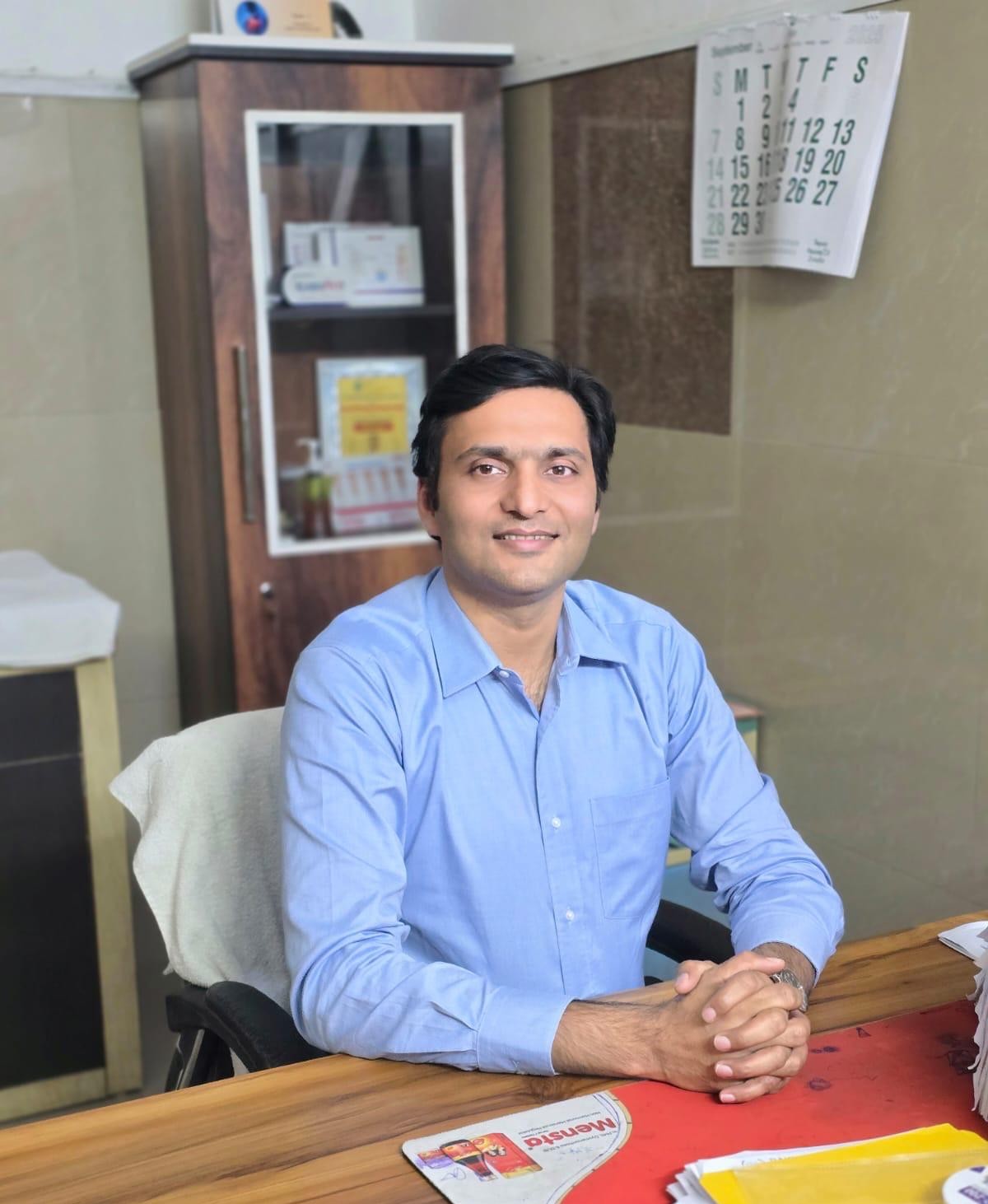
Meet Dr. Abhishek Aggarwal
Dr. Abhishek Aggarwal is a highly skilled GI & HPB surgeon with over 10 years of experience in managing complex gastrointestinal and hepato-pancreato-biliary diseases, with a special focus on oncological surgery. He currently serves as Associate Director – GI Oncosurgery at BLK-Max Super Speciality Hospital, where he is actively involved in delivering advanced surgical care for GI and HPB malignancies.
He has trained and worked in reputed high-volume centres, gaining extensive expertise in complex oncological procedures and multidisciplinary cancer care. His clinical practice is firmly grounded in scientific, evidence-based medicine, ensuring that patients receive treatment aligned with the latest global standards and research.
OPD Timing: 09:00 AM – 05:00 PM
Contact Dr. Abhishek →