Laparoscopic / Minimally Invasive Surgery
Keyhole surgery for complex GI and HPB procedures — smaller scars, less pain, faster recovery with equivalent oncological outcomes.
Laparoscopic & Minimally Invasive Surgery
Minimally invasive surgery (MIS) uses small incisions (5-12 mm) and a camera to perform complex operations. Dr. Abhishek Aggarwal performs laparoscopic colectomy, gastrectomy, liver resection, Whipple and other complex HPB procedures with MIS techniques — offering patients the benefits of faster recovery without compromising cancer outcomes.
- Small incisions, less pain, faster recovery
- Lower wound infection and hernia rates
- Better cosmesis and earlier return to work
- Equivalent or superior oncological outcomes
Frequently Asked Questions
What is laparoscopic surgery?
Is laparoscopic surgery as safe as open?
Which cancer surgeries can be done laparoscopically?
What is the difference between laparoscopic and robotic surgery?
How long is the hospital stay after laparoscopic surgery?
Is the cancer cure rate the same?
What are the risks of laparoscopic surgery?
Can obese patients have laparoscopic surgery?
How soon can I return to work?
Who is not a candidate for laparoscopic surgery?
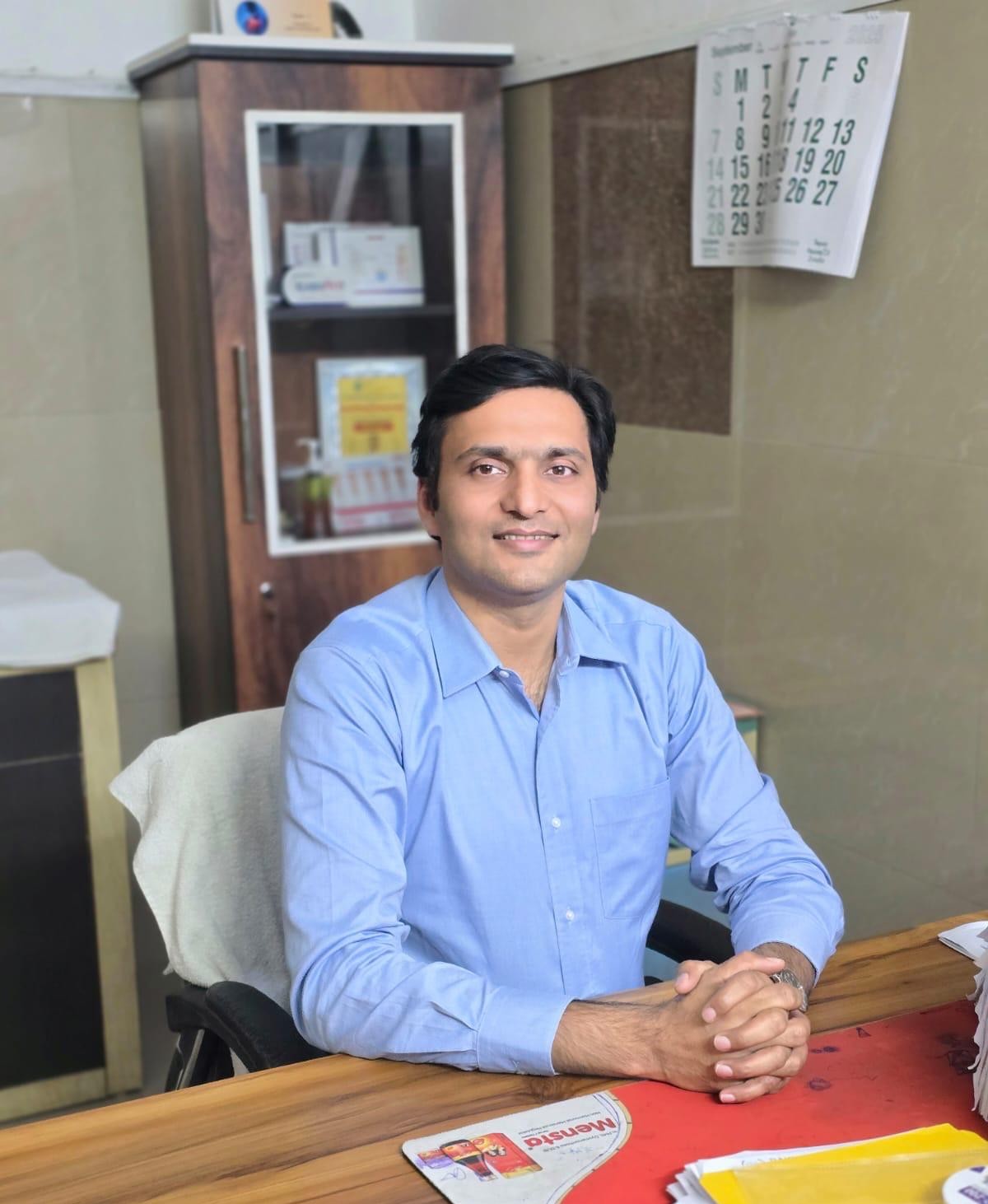
Meet Dr. Abhishek Aggarwal
Dr. Abhishek Aggarwal is a highly skilled GI & HPB surgeon with over 10 years of experience in managing complex gastrointestinal and hepato-pancreato-biliary diseases, with a special focus on oncological surgery. He currently serves as Associate Director – GI Oncosurgery at BLK-Max Super Speciality Hospital, where he is actively involved in delivering advanced surgical care for GI and HPB malignancies.
He has trained and worked in reputed high-volume centres, gaining extensive expertise in complex oncological procedures and multidisciplinary cancer care. His clinical practice is firmly grounded in scientific, evidence-based medicine, ensuring that patients receive treatment aligned with the latest global standards and research.
OPD Timing: 09:00 AM – 05:00 PM
Contact Dr. Abhishek →