Robotic GI & HPB Surgery
Advanced robotic surgery for complex GI and HPB cancers — precision, faster recovery, and oncologic outcomes equal to open surgery.
What is Robotic Cancer Surgery?
Robotic surgery uses the da Vinci system — a surgeon-controlled robotic platform that provides 3D high-definition vision, wristed instruments with greater dexterity than the human hand, and tremor filtering. It is not an autonomous robot; the surgeon controls every movement.
Procedures Dr. Abhishek performs robotically
- Robotic gastrectomy (stomach cancer)
- Robotic Whipple (pancreatic head cancer)
- Robotic distal pancreatectomy
- Robotic liver resection (segmental and major)
- Robotic colorectal resection
- Robotic radical cholecystectomy
Benefits over open surgery
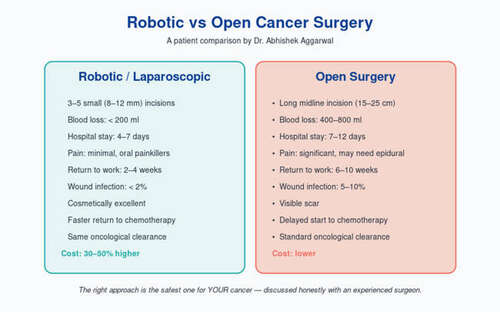
- Less blood loss and transfusion
- Smaller incisions, less pain
- Faster return to normal activity
- Shorter hospital stay
- Equivalent or better cancer outcomes in experienced hands
Frequently Asked Questions
Answers to the most common questions about Robotic GI & HPB Surgery.
Is robotic cancer surgery safe?
Yes. When performed by a trained specialist at a high-volume centre, robotic cancer surgery has the same or better safety profile than open surgery, with significantly less blood loss and faster recovery.
Does the robot perform the surgery by itself?
No. The surgeon sits at a console and controls every movement of the robotic arms in real time. The robot cannot act independently — it is a sophisticated surgical tool controlled by an experienced surgeon.
Is robotic surgery more expensive?
Yes, robotic surgery typically costs ₹1–2 lakh more than laparoscopic surgery due to instrument and platform costs. However, the shorter hospital stay and faster return to work often offset part of this.
Are the cancer outcomes the same?
Multiple international studies confirm that in experienced hands, robotic cancer surgery achieves the same oncological outcomes (margin clearance, lymph node yield, long-term survival) as open or laparoscopic surgery.
Who is a candidate for robotic surgery?
Most patients with GI or HPB cancers who are fit for general anaesthesia can be considered. Contraindications include extensive prior abdominal surgery, very advanced disease, or certain emergency situations.
How long does a robotic procedure take?
Robotic surgeries typically take 30–60 minutes longer than open surgery in the operating room, but the patient often spends fewer days in hospital and returns to work sooner.
Will I have visible scars?
Robotic surgery uses 4–5 small incisions of 8–12 mm. Scars are minimal and usually fade significantly over 6–12 months — much less visible than open surgery.
Is insurance covered for robotic surgery?
Most corporate and premium health insurance plans in India cover robotic surgery, but some policies have caps. We help with pre-authorisation and transparent cost estimates before surgery.
Is the robot approved in India?
Yes. The da Vinci robotic system is approved by CDSCO and used at all major cancer centres in India. BLK-Max Delhi has been a pioneer in robotic oncologic surgery.
How do I know if robotic is right for me?
Every case is different. Send your imaging and reports through our contact form. Dr. Abhishek will review and recommend whether robotic, laparoscopic, or open surgery is the best option for your specific situation.
Meet Dr. Abhishek Aggarwal
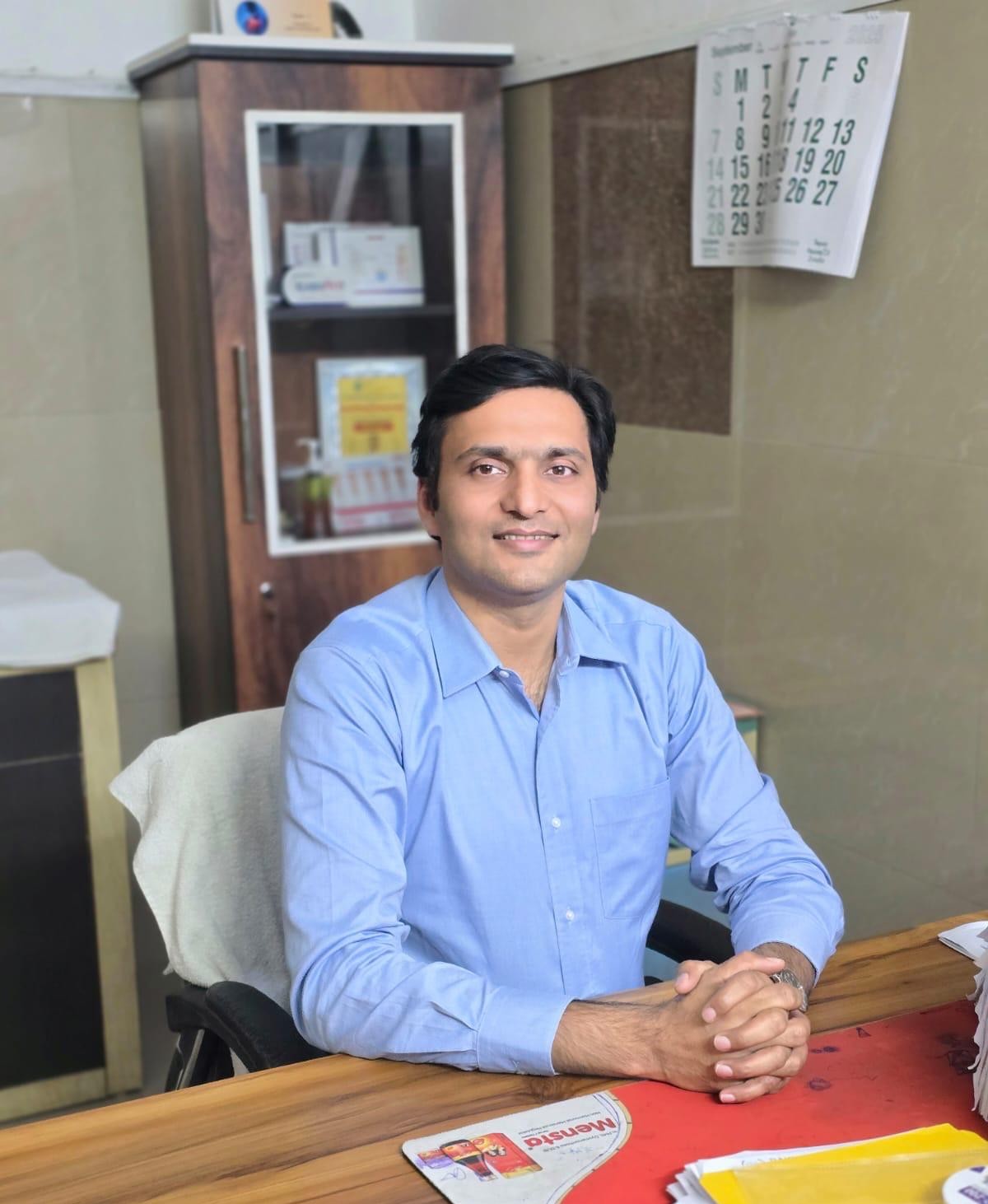
Dr. Abhishek Aggarwal is a highly skilled GI & HPB surgeon with over 10 years of experience in managing complex gastrointestinal and hepato-pancreato-biliary diseases, with a special focus on oncological surgery. He currently serves as Associate Director – GI Oncosurgery at BLK-Max Super Speciality Hospital, where he is actively involved in delivering advanced surgical care for GI and HPB malignancies.
He has trained and worked in reputed high-volume centres, gaining extensive expertise in complex oncological procedures and multidisciplinary cancer care. His clinical practice is firmly grounded in scientific, evidence-based medicine, ensuring that patients receive treatment aligned with the latest global standards and research.
OPD Timing: 09:00 AM – 05:00 PM
Contact Dr. Abhishek →