Stomach Cancer (Gastric Cancer)
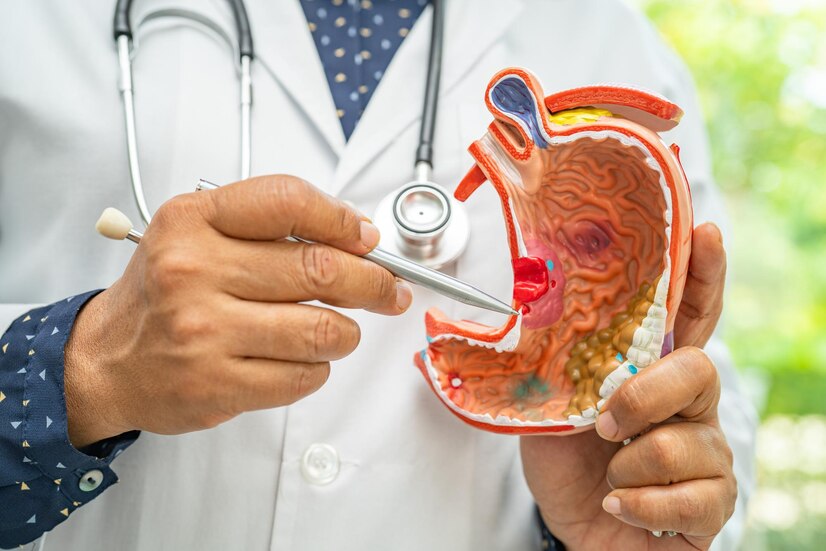
Stomach cancer, also known as gastric cancer, is a condition where abnormal cells grow uncontrollably in the lining of the stomach. The stomach plays a vital role in digestion by breaking down food and absorbing nutrients. When cancer develops in this organ, it can affect digestion and overall health significantly.
Stomach cancer often develops slowly over time and may not show clear symptoms in its early stages. However, with early detection and advanced medical treatment, it can be managed effectively and, in some cases, cured.
What is Stomach Cancer?
Stomach cancer occurs when healthy cells in the stomach lining undergo changes (mutations) and begin to grow rapidly without control. These abnormal cells can form tumors and spread to nearby organs such as the esophagus, small intestine, liver, and lymph nodes.
The most common type of stomach cancer is adenocarcinoma, which develops from the mucus-producing cells in the stomach lining.
Types of Stomach Cancer
Adenocarcinoma
Most common type (around 90–95% cases)
Lymphoma
Cancer of the immune system in the stomach
Gastrointestinal Stromal Tumors (GIST)
Rare tumors in connective tissue
Neuroendocrine Tumors
Develop from hormone-producing cells
Symptoms of Stomach Cancer
In early stages, symptoms may be mild or mistaken for common digestive issues. As the disease progresses, symptoms may include:
- Persistent indigestion or heartburn
- Stomach pain or discomfort
- Feeling full after eating small amounts
- Nausea and vomiting
- Loss of appetite
- Unexplained weight loss
- Weakness and fatigue
- Blood in vomit or stool (in advanced stages)
Causes and Risk Factors
Several factors can increase the risk of stomach cancer:
Infection with Helicobacter pylori (H. pylori)
Long-term gastritis (inflammation of the stomach lining)
Smoking and tobacco use
High intake of salty, smoked, or processed foods
Low intake of fruits and vegetables
Family history of stomach cancer
Diagnosis of Stomach Cancer
Early and accurate diagnosis is essential for effective treatment. Doctors may recommend:
Endoscopy
To examine the stomach lining
Biopsy
Confirms cancer cells
CT Scan / MRI
To assess tumor spread
Endoscopic Ultrasound (EUS)
To determine tumor depth
Blood Tests
To evaluate overall health
Advanced Treatment Options
Treatment depends on the stage, size of the tumor, and patient’s health:

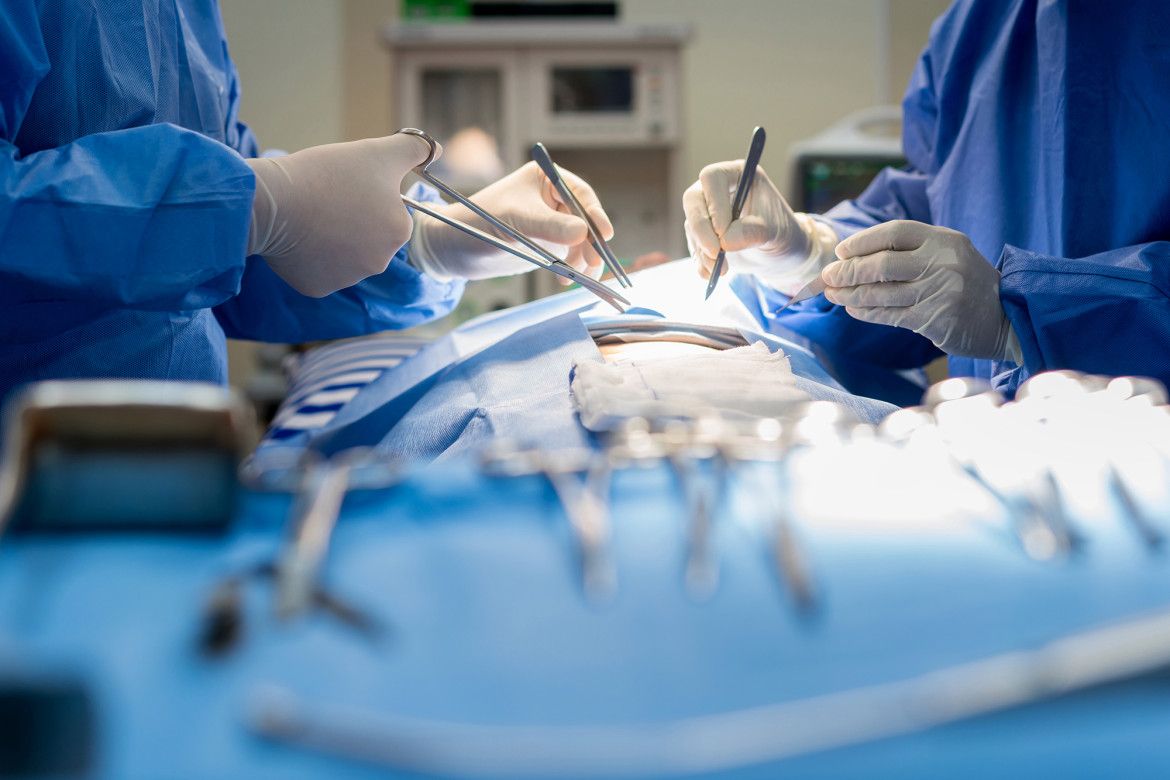
Surgery
Removal of the tumor and affected part of the intestine
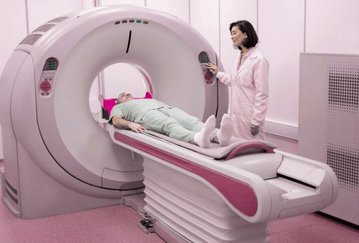
Radiation Therapy
Used to target and destroy cancer cells
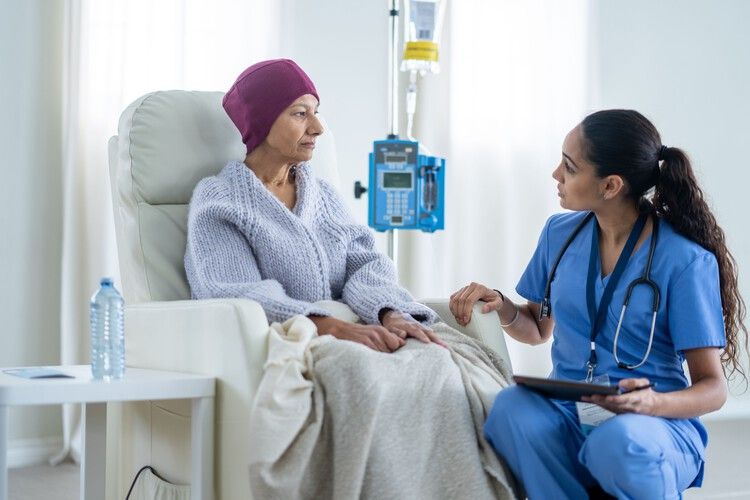
Chemotherapy
Helps kill cancer cells or stop their growth
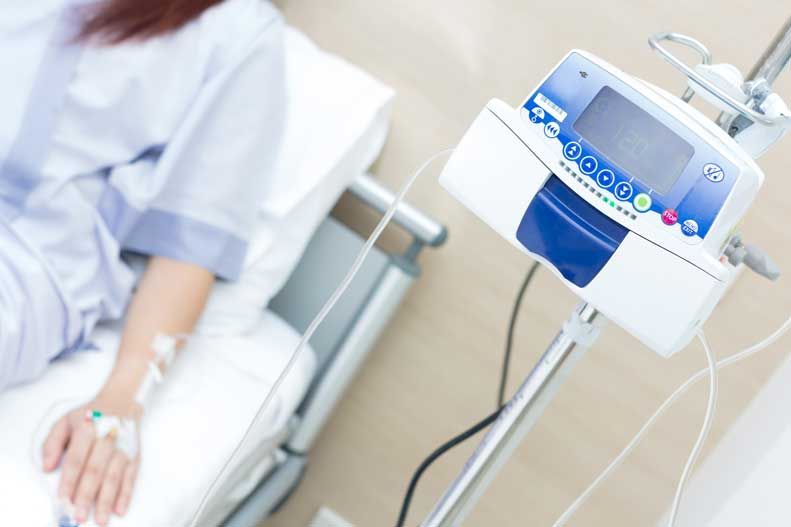
Targeted Therapy
Focuses on specific cancer cell pathways
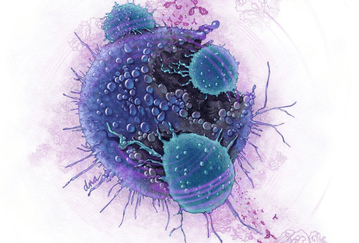
Immunotherapy
Enhances the body’s immune response
Prevention Tips
While not all cases can be prevented, these steps can help reduce risk:
Eat a healthy, balanced diet rich in fruits and vegetables
Reduce consumption of salty and processed foods
Quit smoking and limit alcohol
Maintain a healthy weight
Treat H. pylori infection early
Regular health check-ups
Why Choose Our Stomach Cancer Treatment in Delhi
Experienced gastroenterologists and oncology specialists
Advanced diagnostic and surgical technologies
Personalized treatment plans
Minimally invasive procedures available
Comprehensive cancer care
Affordable and patient-focused approach