Neuroendocrine Tumors (NETs)
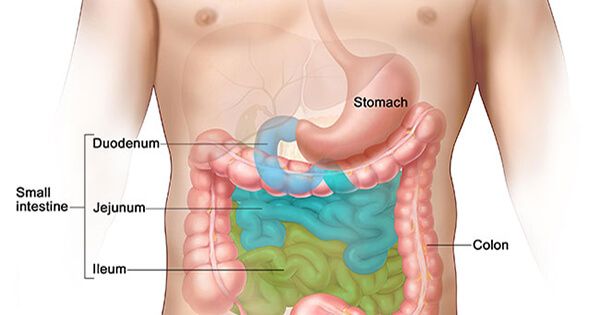
Neuroendocrine tumors (NETs) are a group of rare cancers that arise from neuroendocrine cells—specialized cells that have characteristics of both nerve cells and hormone-producing endocrine cells. These cells are found throughout the body, especially in organs like the pancreas, lungs, stomach, intestines, and appendix.
NETs can grow slowly or aggressively, depending on the type and grade of the tumor. Some neuroendocrine tumors produce hormones that can cause noticeable symptoms, while others may remain silent for years. Early diagnosis and specialized treatment are essential for better outcomes and long-term management.
What are Neuroendocrine Tumors (NETs)?
Neuroendocrine tumors develop when neuroendocrine cells begin to grow uncontrollably and form tumors. These tumors can be functional (producing hormones) or non-functional (not producing hormones).
Functional NETs can cause hormone-related symptoms, while non-functional NETs are often diagnosed later due to lack of early signs.
Common Types of Neuroendocrine Tumors
Pancreatic Neuroendocrine Tumors (PNETs)
Gastrointestinal NETs (Carcinoid Tumors)
Lung NETs (Bronchial Carcinoids)
Rare NETs in other organs
Symptoms of Neuroendocrine Tumors
Symptoms vary depending on the location and whether the tumor produces hormones:
- Unexplained weight loss
- Fatigue and weakness
- Abdominal pain or discomfort
- Flushing of the skin
- Wheezing or shortness of breath
- Rapid heartbeat
- Low or high blood sugar levels
Causes and Risk Factors
The exact cause of NETs is not always known, but certain factors may increase risk:
Genetic conditions (e.g., Multiple Endocrine Neoplasia – MEN1)
Family history of endocrine tumors
Age (more common in middle-aged and older adults)
Chronic health conditions affecting endocrine organs
Diagnosis of Neuroendocrine Tumors
Accurate diagnosis requires a combination of tests:
Blood and Urine Tests
To detect hormone levels
Imaging Tests (CT Scan / MRI)
To locate tumors
PET Scan (Ga-68 DOTATATE)
Specialized scan for NETs
Endoscopy
To examine internal organs
Biopsy
Confirms tumor type and grade
Prevention Tips
There are no specific prevention methods for NETs, but general health practices may help:
Maintain a healthy lifestyle
Regular health screenings
Genetic counseling for high-risk individuals
Early medical consultation for unusual symptoms
Why Choose Our Neuroendocrine Tumor Treatment in Delhi
Specialized team for NET diagnosis and treatment
Advanced imaging and targeted therapies
Personalized treatment plans
Access to cutting-edge treatments like PRRT
Comprehensive and multidisciplinary care
Affordable and patient-focused services