Duodenum Cancer

Duodenum Cancer

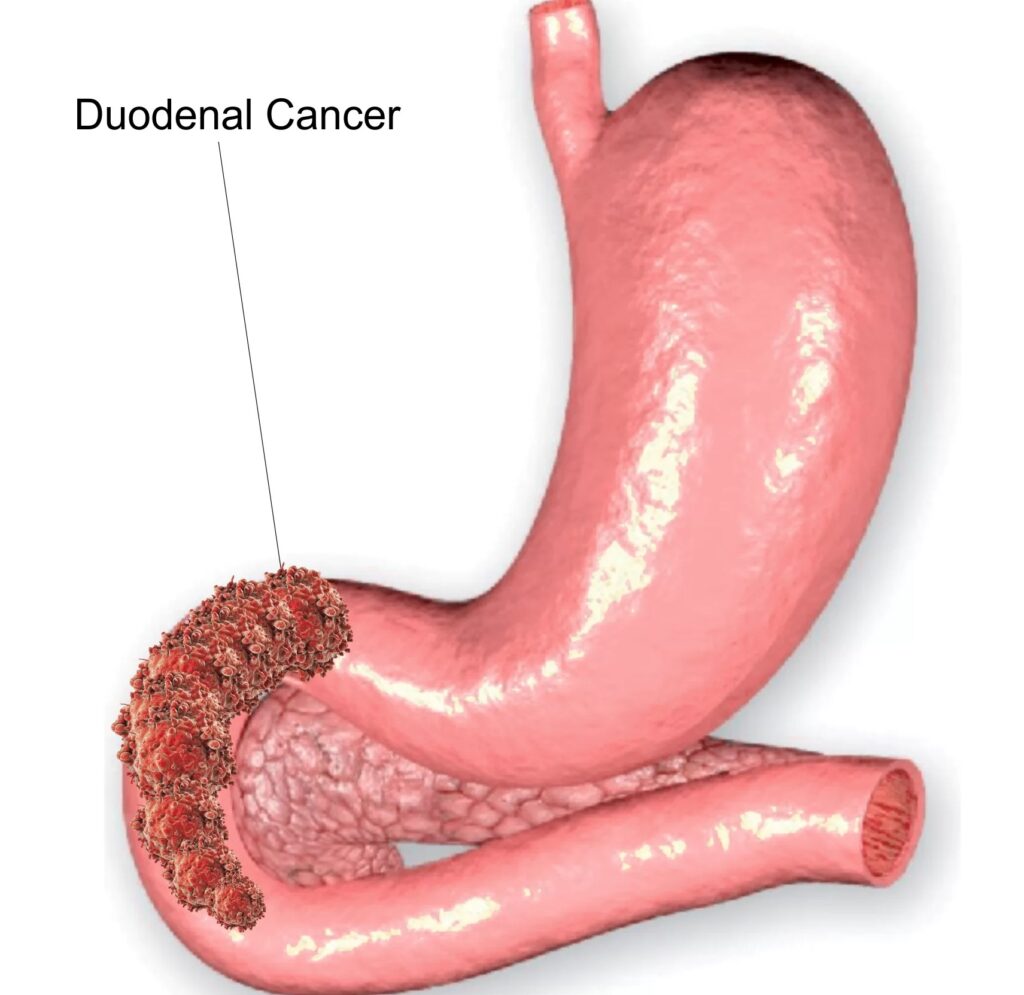
Duodenum cancer is a rare type of cancer that develops in the duodenum, which is the first part of the small intestine located just after the stomach. The duodenum plays a crucial role in digestion by mixing partially digested food with bile and pancreatic enzymes.

Although uncommon, duodenal cancer can be serious if not diagnosed early. Because symptoms are often vague or similar to other digestive disorders, it may go unnoticed in the initial stages. Early detection and advanced treatment options are key to improving outcomes and patient survival.

What is Duodenum Cancer?

Duodenum cancer occurs when abnormal cells grow uncontrollably in the lining of the duodenum, forming a tumor. These cancer cells can spread to nearby organs such as the pancreas, liver, and lymph nodes if not treated in time.

Most duodenal cancers are adenocarcinomas, which develop from the glandular cells lining the intestine.

Types of Duodenum Cancer

Adenocarcinoma

Neuroendocrine Tumors (NETs)

Lymphoma

Gastrointestinal Stromal Tumors (GIST)

Symptoms of Duodenum Cancer

In early stages, symptoms may be mild or absent. As the disease progresses, the following symptoms may appear:

Causes and Risk Factors

Several factors may increase the risk of duodenum cancer:

Age above 50 years

Family history of gastrointestinal cancers

Genetic conditions (such as familial adenomatous polyposis)

Chronic digestive disorders

Smoking and alcohol consumption

Unhealthy diet (low in fiber, high in processed foods)

Diagnosis of Duodenum Cancer

Early and accurate diagnosis is essential for effective treatment. Doctors may recommend:

Endoscopy

To examine the duodenum and detect abnormalities

Biopsy

Confirms cancer diagnosis

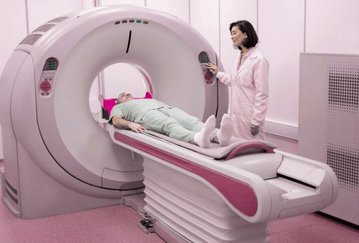
CT Scan / MRI

To evaluate tumor size and spread

Endoscopic Ultrasound (EUS)

Provides detailed imaging

Blood Tests

To assess overall health

Advanced Treatment Options

Treatment depends on the stage, location, and patient condition:

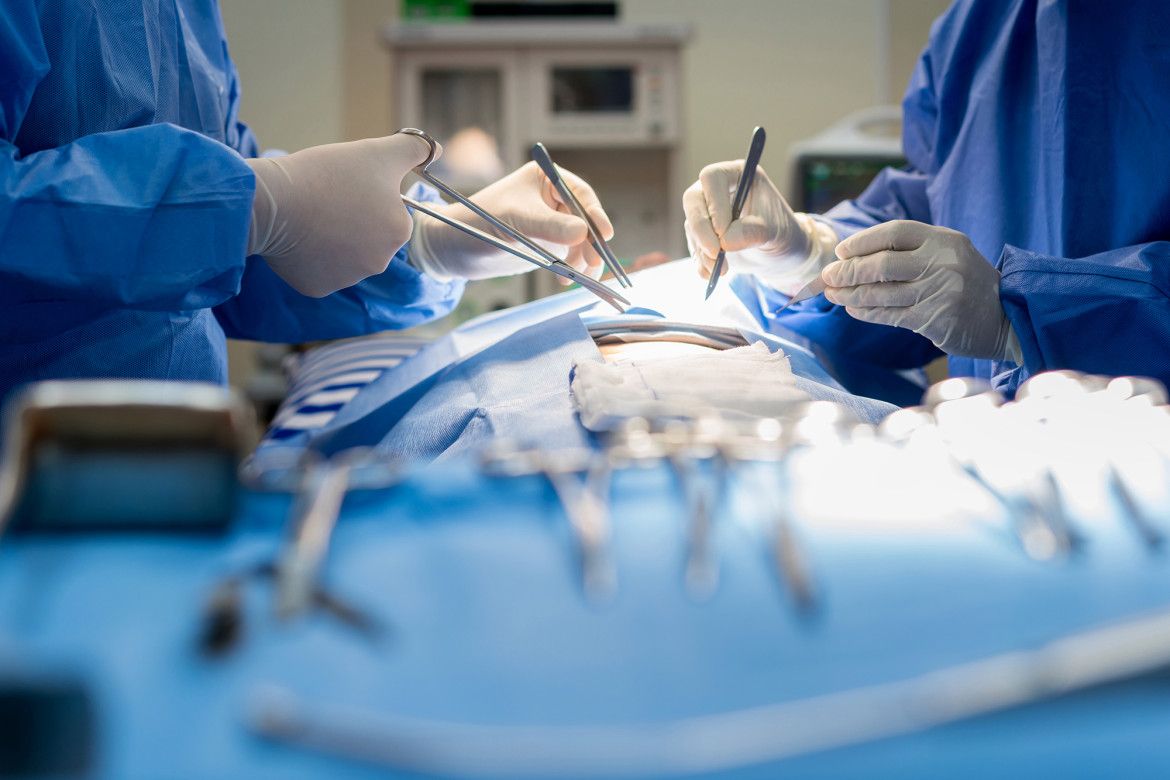
Surgery

Removal of the tumor and affected part of the intestine
Radiation Therapy

Used to target and destroy cancer cells

Chemotherapy

Helps kill cancer cells or stop their growth

Targeted Therapy

Focuses on specific cancer cell pathways
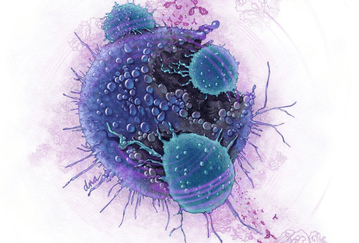
Immunotherapy

Enhances the body’s immune response

Prevention Tips

While duodenum cancer is rare, the following lifestyle changes can help reduce risk:

Maintain a healthy diet rich in fiber

Avoid smoking and limit alcohol intake

Exercise regularly

Manage digestive disorders properly

Regular health check-ups

Why Choose Our Duodenum Cancer Treatment in Delhi

Expert gastroenterologists and oncologists

Advanced endoscopy and surgical technologies

Personalized treatment plans

Minimally invasive procedures

Comprehensive cancer care

Affordable and patient-focused services

Scroll to Top