Colorectal Cancer Surgery
Laparoscopic and robotic surgery for colon and rectal cancers — sphincter-preserving, oncologically sound, functionally optimal.
Colorectal Cancer Surgery
Colorectal cancer is one of the commonest cancers in India and worldwide. Modern surgical techniques — laparoscopic colectomy, total mesorectal excision and robotic pelvic surgery — combined with multidisciplinary oncology care, offer excellent cure rates with preserved quality of life.
- Laparoscopic colectomy for colon cancer
- Total mesorectal excision (TME) for rectal cancer
- Sphincter preservation in 80%+ of rectal cases
- Complete oncological clearance with minimal morbidity
Frequently Asked Questions
What is colorectal cancer surgery?
Is laparoscopic colorectal surgery safe?
What is robotic colorectal surgery?
Will I need a stoma?
What is ERAS?
How long is the hospital stay?
Do I need chemotherapy after surgery?
What is CEA?
Is colorectal cancer curable?
How often should I have surveillance?
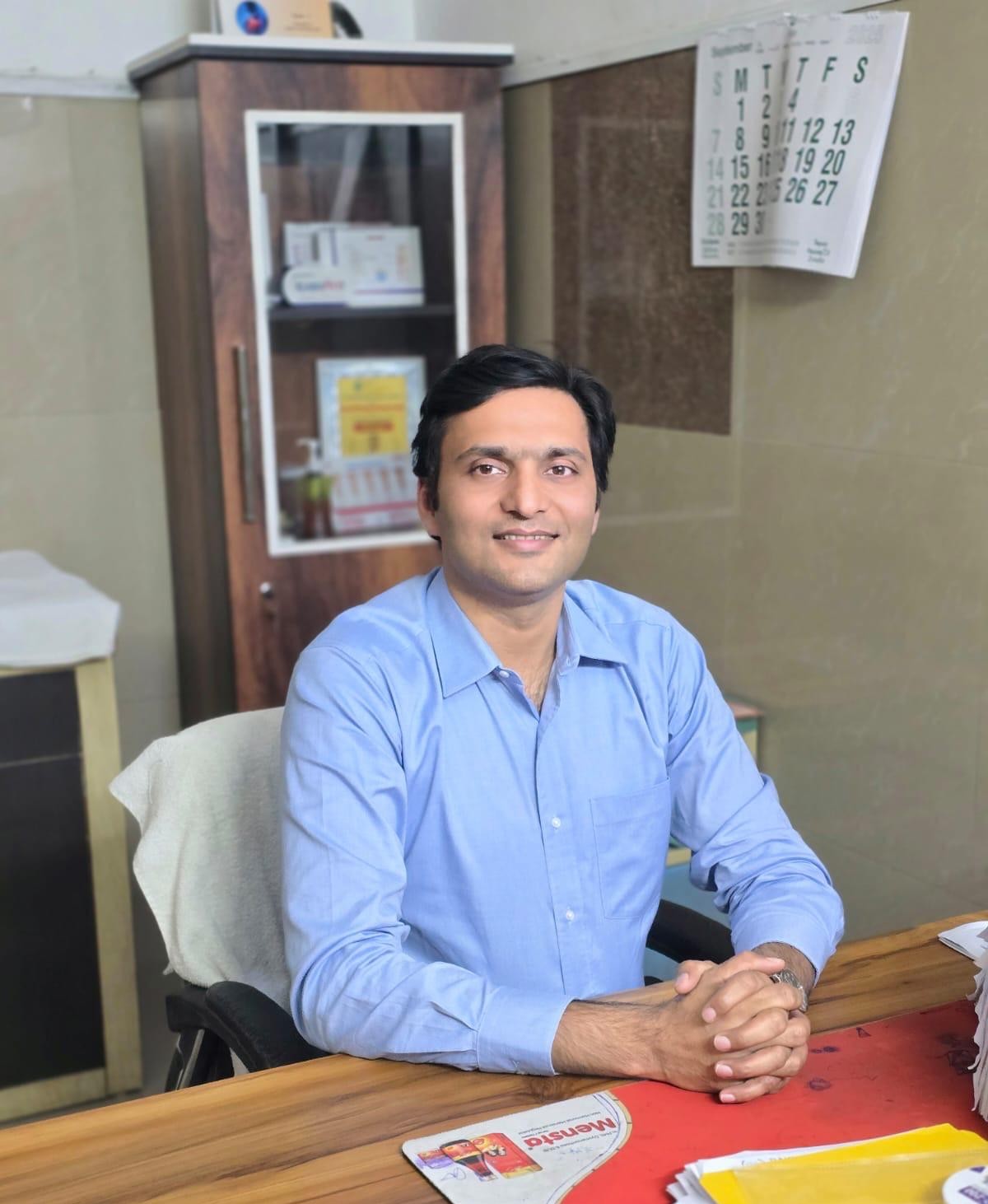
Meet Dr. Abhishek Aggarwal
Dr. Abhishek Aggarwal is a highly skilled GI & HPB surgeon with over 10 years of experience in managing complex gastrointestinal and hepato-pancreato-biliary diseases, with a special focus on oncological surgery. He currently serves as Associate Director – GI Oncosurgery at BLK-Max Super Speciality Hospital, where he is actively involved in delivering advanced surgical care for GI and HPB malignancies.
He has trained and worked in reputed high-volume centres, gaining extensive expertise in complex oncological procedures and multidisciplinary cancer care. His clinical practice is firmly grounded in scientific, evidence-based medicine, ensuring that patients receive treatment aligned with the latest global standards and research.
OPD Timing: 09:00 AM – 05:00 PM
Contact Dr. Abhishek →