Gall Bladder Cancer

Gall Bladder Cancer

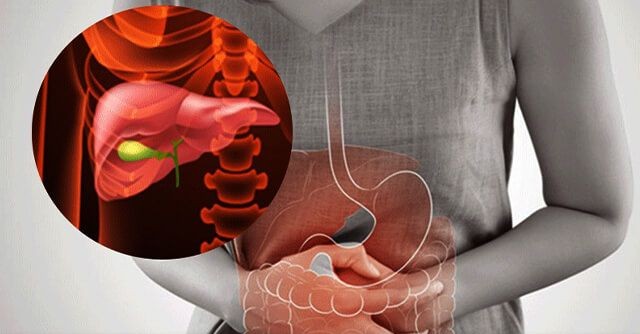
Gall bladder cancer is a rare but serious disease that begins in the gallbladder, a small pear-shaped organ located beneath the liver. The gallbladder stores bile, a digestive fluid that helps break down fats. This type of cancer often goes undetected in its early stages because it may not cause noticeable symptoms initially. As a result, it is usually diagnosed at an advanced stage.

Early detection, proper diagnosis, and timely treatment are essential for improving survival rates and ensuring better outcomes for patients.

What is Gall Bladder Cancer?

Gall bladder cancer occurs when abnormal cells in the gallbladder grow uncontrollably and form a tumor. These cancerous cells can invade nearby tissues and spread (metastasize) to other parts of the body such as the liver and lymph nodes.

The most common type is adenocarcinoma, which develops in the glandular cells lining the gallbladder.

Types of Gall Bladder Cancer

Adenocarcinoma

Most common type, starts in glandular cells

Squamous Cell Carcinoma

Rare, develops in flat cells

Adenosquamous Carcinoma

Combination of glandular and squamous cells

Small Cell Cancer

Rare and aggressive form

Symptoms of Gall Bladder Cancer

In early stages, symptoms may be minimal or absent. As the disease progresses, patients may experience:

Causes and Risk Factors

Several factors can increase the risk of developing gall bladder cancer:

Gallstones (most common risk factor)

Chronic inflammation of the gallbladder

Gallbladder polyps

Obesity

Female gender (more common in women)

Age above 50 years

Family history of gallbladder disease

Exposure to harmful chemicals

Gall Bladder & CBD Stone Management

  • Gall bladder and Common Bile Duct (CBD) stones can affect the digestive system and may lead to severe abdominal pain, jaundice, and infections

  • Common symptoms include right upper abdominal pain, nausea, vomiting, and yellowing of the skin (jaundice)

  • Early diagnosis and timely treatment help prevent serious complications

  • Treatment options include laparoscopic cholecystectomy (gall bladder removal) and ERCP for CBD stone removal

  • Minimally invasive techniques ensure faster recovery with less pain

Biliary Stricture Treatment

  • Biliary stricture is a narrowing of the bile duct that blocks the normal flow of bile

  • It can be caused by previous surgeries, inflammation, or injury

  • Symptoms include jaundice, itching, abdominal pain, and dark urine

  • Treatment options include endoscopic stenting, balloon dilation, and surgical reconstruction

  • Proper management helps restore bile flow and improves liver function

Incisional Hernia & Abdominal Wall Reconstruction

  • Incisional hernia occurs due to weakness in the abdominal wall, usually at the site of a previous surgery

  • Symptoms include a visible bulge, swelling, and discomfort near the surgical scar

  • Treatment includes mesh repair surgery and laparoscopic hernia repair

  • Complex cases may require abdominal wall reconstruction

  • Surgery strengthens the abdominal wall and reduces the risk of recurrence

Inflammatory Bowel Disease Surgery (Ulcerative Colitis & Crohn’s Disease)

  • Inflammatory Bowel Disease (IBD) is a chronic condition that causes inflammation in the digestive tract

  • It includes ulcerative colitis and Crohn’s disease

  • Symptoms include chronic diarrhea, abdominal pain, weight loss, and blood in stool

  • Surgery is recommended in severe or complicated cases

  • Procedures include colectomy, ileostomy, and minimally invasive bowel surgery

  • Surgery helps relieve symptoms and improves quality of life

Surgery for Chronic Pancreatitis

  • Chronic pancreatitis is a long-term inflammation of the pancreas that affects digestion and overall health

  • Symptoms include persistent abdominal pain, digestive problems, weight loss, and risk of diabetes

  • Surgery is considered when medical treatment is not effective

  • Treatment options include pancreatic drainage procedures and resection surgery

  • Surgical treatment helps relieve pain and improve digestive function

Diagnosis of Gall Bladder Cancer

Early and accurate diagnosis is crucial for effective treatment. Doctors may recommend:

Ultrasound

Initial screening to detect abnormalities

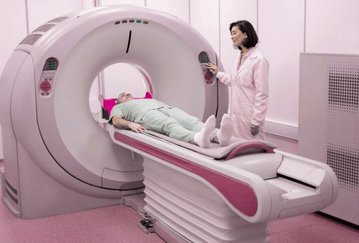
CT Scan / MRI

Detailed imaging to assess tumor size and spread

Blood Tests

Liver function tests and tumor markers

Biopsy

Confirms the presence of cancer cells

Endoscopic Tests (ERCP)

To examine bile ducts

Advanced Treatment Options

Treatment depends on the stage of cancer and overall health of the patient:

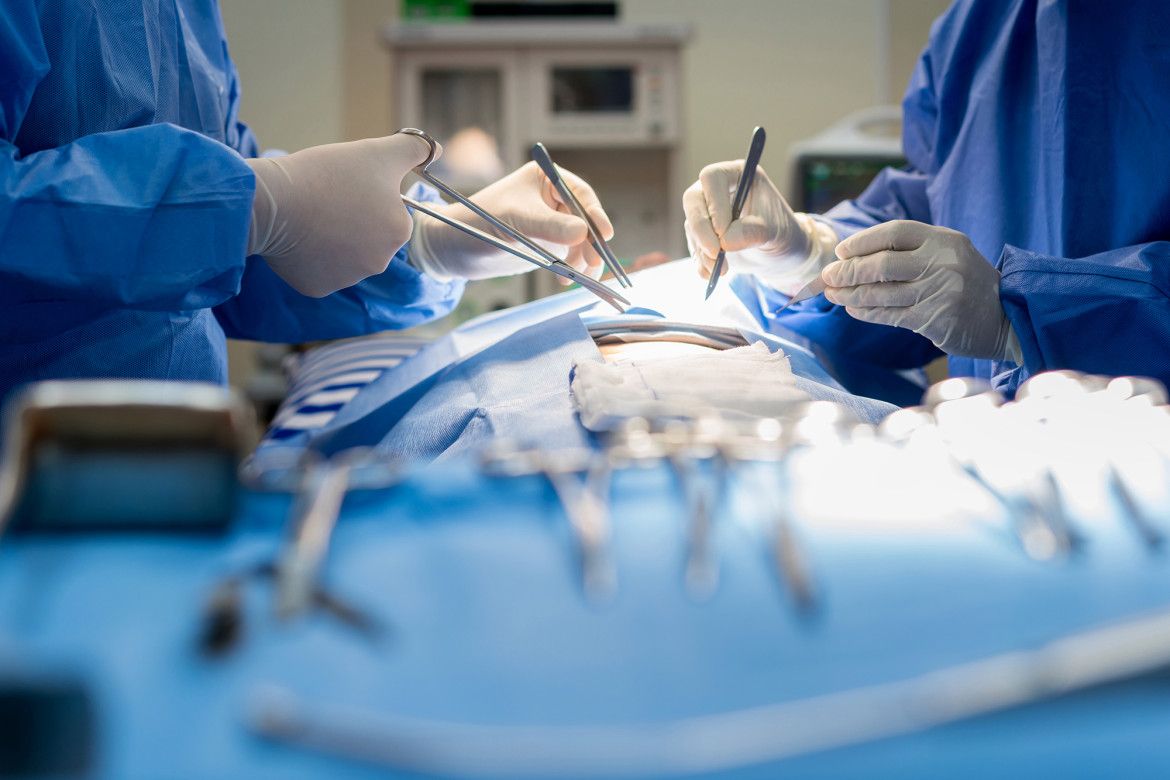
Surgery

Removal of surrounding tissues if cancer has spread

Palliative Care

Helps relieve symptoms and improve quality of life in advanced stages
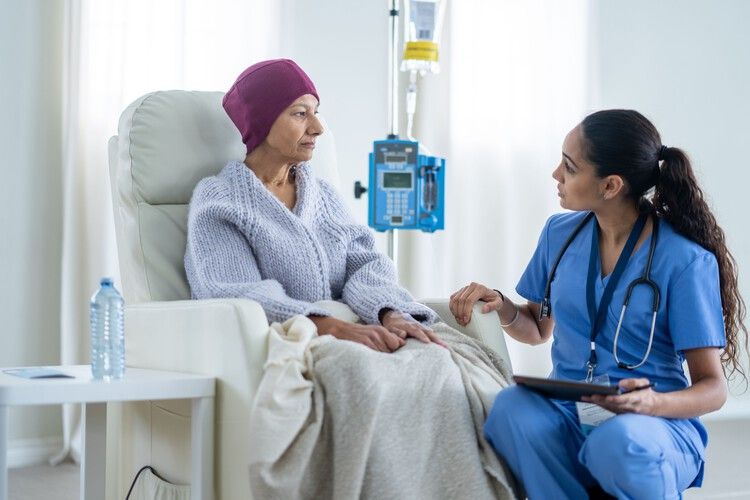
Chemotherapy

Uses anti-cancer drugs to destroy cancer cells
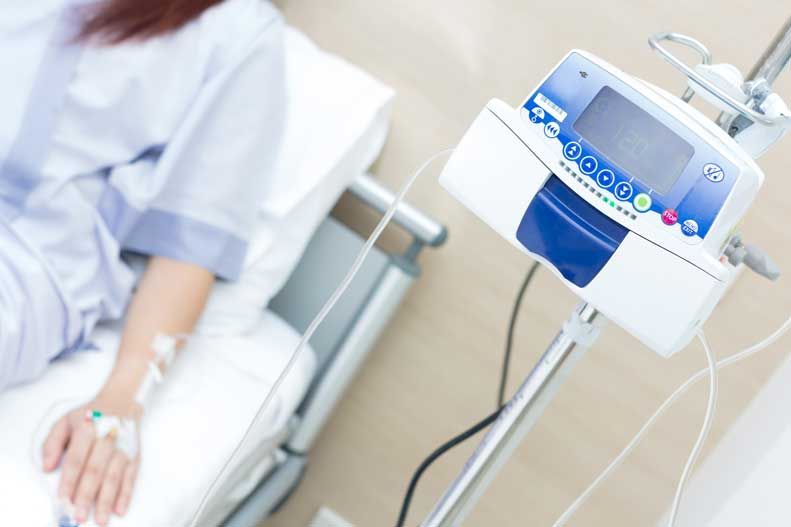
Targeted Therapy

Focuses on specific genes or proteins involved in cancer growth
Radiation Therapy

Focuses on specific molecules involved in cancer growth

Prevention Tips

While gall bladder cancer cannot always be prevented, the following steps may reduce risk:

Maintain a healthy weight

Eat a balanced and low-fat diet

Manage gallstones early

Avoid smoking and alcohol

Regular medical check-ups for high-risk individuals

Why Choose Our Gall Bladder Cancer Treatment in Delhi

Experienced gastrointestinal and cancer specialists

Advanced diagnostic and surgical facilities

Personalized treatment approach

Minimally invasive procedures available

Affordable and patient-centered care

High success rate and better recovery outcomes

Scroll to Top