Gastrectomy
Total and subtotal gastrectomy with D2 lymphadenectomy — the curative standard for gastric cancer, performed open, laparoscopically, or robotically.
What is Gastrectomy?
Gastrectomy is surgical removal of part or all of the stomach. It is the curative treatment for gastric cancer and is performed along with systematic lymph node dissection (D2 lymphadenectomy) to maximise the chance of cure.
Types
- Subtotal (distal) gastrectomy — removes the lower 3/4 of the stomach (for tumours of the lower/middle stomach)
- Total gastrectomy — removes the entire stomach (for tumours of the upper stomach or diffuse cancers)
- Proximal gastrectomy — removes the upper stomach (selected cases)
How it’s done
Dr. Abhishek performs gastrectomy using laparoscopic, robotic, or open techniques depending on tumour stage, anatomy, and patient fitness. Minimally invasive approaches are preferred wherever oncologically safe.
Frequently Asked Questions
Answers to the most common questions about Gastrectomy.
What is the difference between total and subtotal gastrectomy?
Subtotal gastrectomy removes the lower 3/4 of the stomach and is used for tumours of the lower stomach. Total gastrectomy removes the entire stomach and is needed for upper or diffuse tumours. The choice depends on tumour location.
Can I eat normally after gastrectomy?
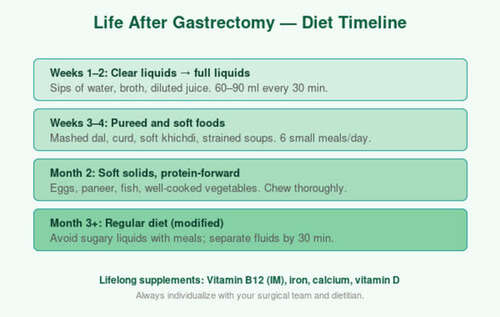
After subtotal gastrectomy most patients adjust quickly. After total gastrectomy you will need to eat smaller, more frequent meals (6–8 per day) and avoid large volumes. Most patients regain quality of life within 6 months.
What is dumping syndrome?
Dumping syndrome is rapid emptying of food into the small intestine after gastrectomy, causing nausea, cramps, dizziness, and palpitations. It is managed with dietary changes — small meals, avoiding sugary drinks, and separating liquids from solids.
Will I lose weight after gastrectomy?
Most patients lose 5–15% of body weight initially, then stabilise and often regain some weight with good nutrition. A dedicated dietitian guides you through the adjustment and helps maintain a healthy weight long term.
Do I need vitamin supplements?
Yes. After total gastrectomy you will need lifelong vitamin B12 injections (every 3 months) because the stomach is essential for B12 absorption. Iron and calcium supplements may also be needed.
Can gastrectomy be done laparoscopically?
Yes. Laparoscopic and robotic gastrectomy have been shown to have equivalent oncologic outcomes to open surgery in multiple trials, with less pain and faster recovery. Dr. Abhishek performs laparoscopic gastrectomy routinely.
How long is the hospital stay?
Typically 5–7 days after laparoscopic or robotic gastrectomy, and 7–10 days after open surgery. Your ability to tolerate food and pass motions is the key criterion for discharge.
What is D2 lymphadenectomy?
D2 lymphadenectomy is systematic removal of all lymph nodes along the major arteries supplying the stomach. It is the gold standard for gastric cancer surgery and is associated with significantly improved survival when done by a specialist.
What are the risks of gastrectomy?
Main risks include anastomotic leak (2–5%), bleeding, infection, and delayed gastric emptying. At specialist centres, 30-day mortality is under 2% for gastrectomy.
How soon can I go back to work?
Desk work is usually possible 3–4 weeks after laparoscopic gastrectomy and 5–6 weeks after open surgery. Heavy physical work requires 8–10 weeks. Chemotherapy (if needed) starts around 6–8 weeks after surgery.
Meet Dr. Abhishek Aggarwal
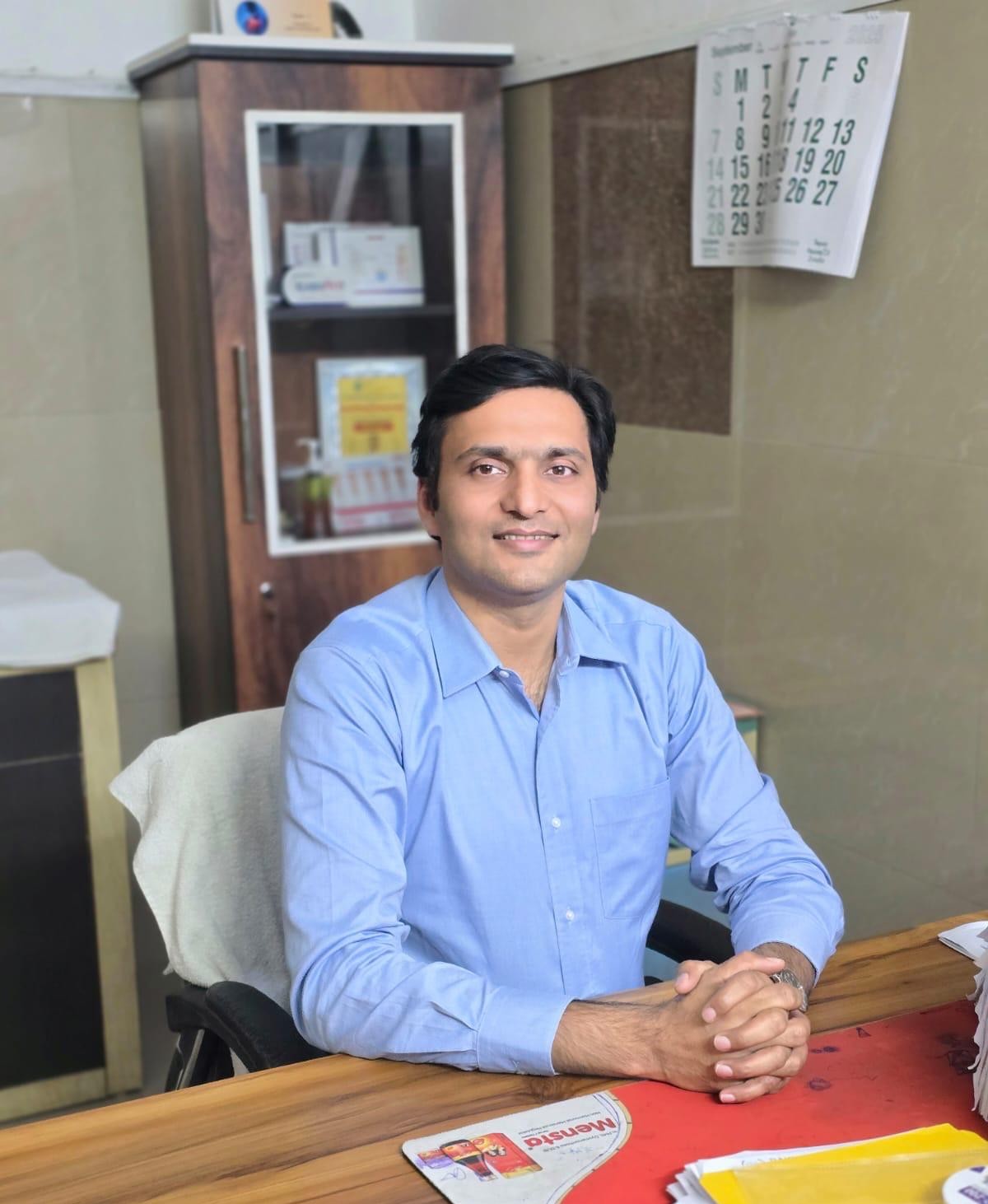
Dr. Abhishek Aggarwal is a highly skilled GI & HPB surgeon with over 10 years of experience in managing complex gastrointestinal and hepato-pancreato-biliary diseases, with a special focus on oncological surgery. He currently serves as Associate Director – GI Oncosurgery at BLK-Max Super Speciality Hospital, where he is actively involved in delivering advanced surgical care for GI and HPB malignancies.
He has trained and worked in reputed high-volume centres, gaining extensive expertise in complex oncological procedures and multidisciplinary cancer care. His clinical practice is firmly grounded in scientific, evidence-based medicine, ensuring that patients receive treatment aligned with the latest global standards and research.
OPD Timing: 09:00 AM – 05:00 PM
Contact Dr. Abhishek →