Oesophagectomy
Minimally invasive and open oesophagectomy for cancer and benign strictures — performed by an experienced upper GI oncosurgeon.
Oesophagectomy
Oesophagectomy is one of the most complex operations in GI surgery — removing part or all of the food pipe and replacing it with the stomach (gastric conduit) or colon. Dr. Abhishek Aggarwal performs minimally invasive (MIE), open transthoracic and transhiatal oesophagectomy with full nutritional and ICU support.
- Ivor-Lewis, McKeown and transhiatal approaches
- Minimally invasive options for selected cases
- Requires experienced high-volume surgical team
- Essential component of curative oesophageal cancer care
Frequently Asked Questions
What is oesophagectomy?
What are the types of oesophagectomy?
What is minimally invasive oesophagectomy (MIE)?
How long is the surgery?
How long will I stay in hospital?
What happens to the oesophagus after removal?
Will I be able to eat normally afterwards?
What are the main complications?
Do I need a feeding tube?
What is the survival after oesophagectomy for cancer?
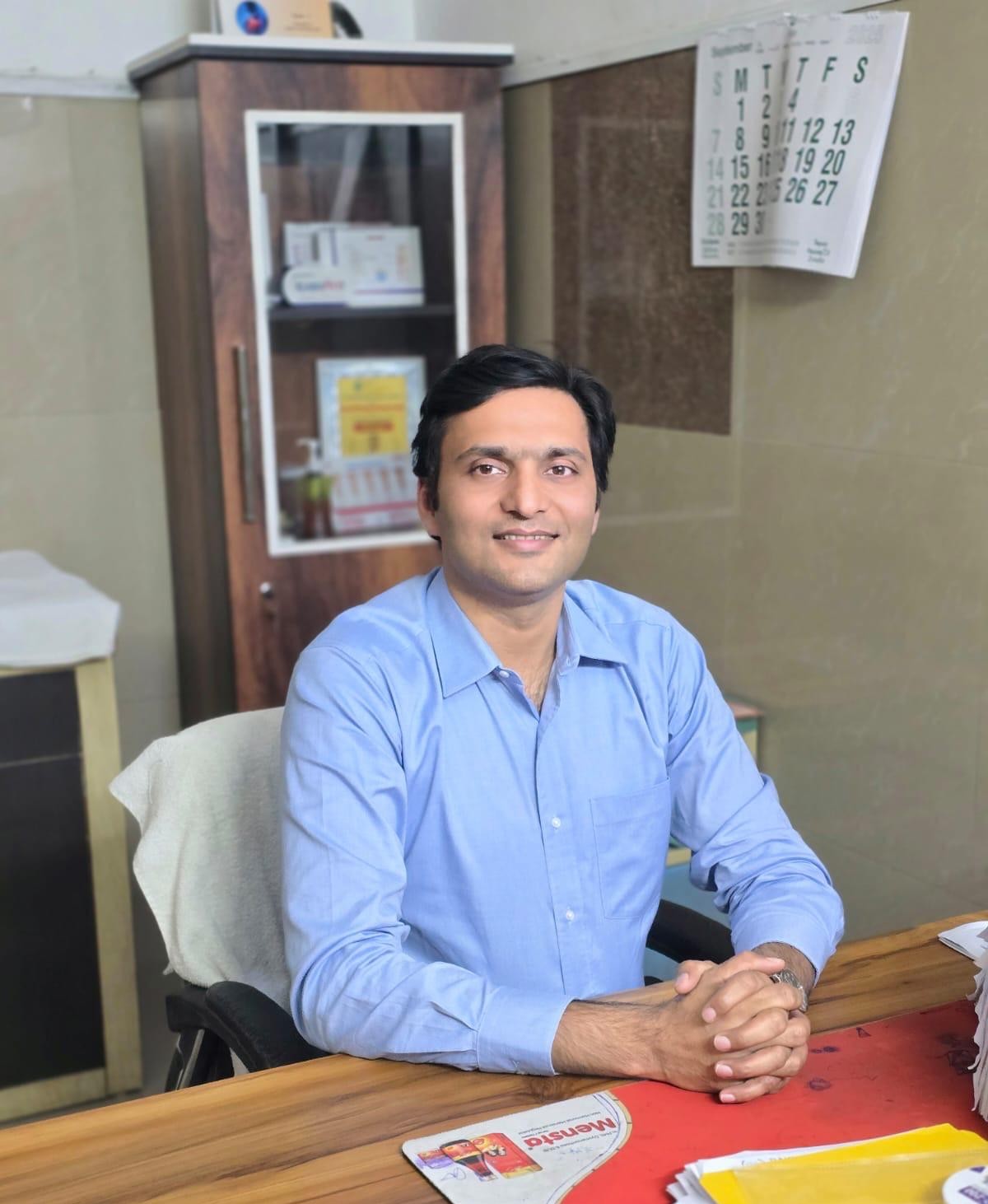
Meet Dr. Abhishek Aggarwal
Dr. Abhishek Aggarwal is a highly skilled GI & HPB surgeon with over 10 years of experience in managing complex gastrointestinal and hepato-pancreato-biliary diseases, with a special focus on oncological surgery. He currently serves as Associate Director – GI Oncosurgery at BLK-Max Super Speciality Hospital, where he is actively involved in delivering advanced surgical care for GI and HPB malignancies.
He has trained and worked in reputed high-volume centres, gaining extensive expertise in complex oncological procedures and multidisciplinary cancer care. His clinical practice is firmly grounded in scientific, evidence-based medicine, ensuring that patients receive treatment aligned with the latest global standards and research.
OPD Timing: 09:00 AM – 05:00 PM
Contact Dr. Abhishek →